
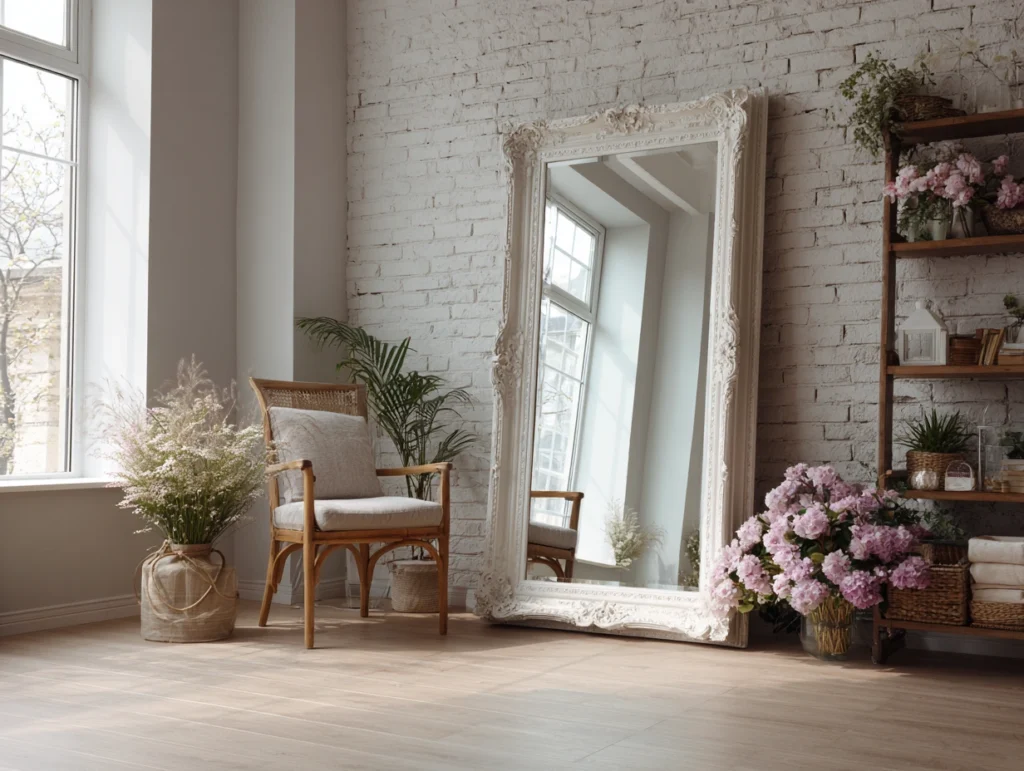
Feng Shui, an ancient Chinese practice, focuses on the arrangement of spaces to promote harmony and balance in one’s environment. This art relies on the principle of ‘chi’ or energy flow, which influences the well-being of individuals inhabiting a space. The optimization and enhancement of chi are pivotal in creating an ambiance that fosters positivity and tranquillity. At its core, Feng Shui emphasizes the intricate relationship between human beings and their surroundings, advocating for designs that improve not only the aesthetic appeal but also the energy dynamics within a space.
One of the most significant elements in Feng Shui practices is the use of mirrors. Mirrors are considered powerful tools for amplifying chi within a room. They possess the unique ability to reflect and redirect energy, which can either enhance or diminish the overall atmosphere depending on their placement. For instance, strategically placing a mirror can double the natural light in a space, thereby uplifting the energy flow, while an inappropriate placement may inadvertently lead to stagnant or chaotic energy.
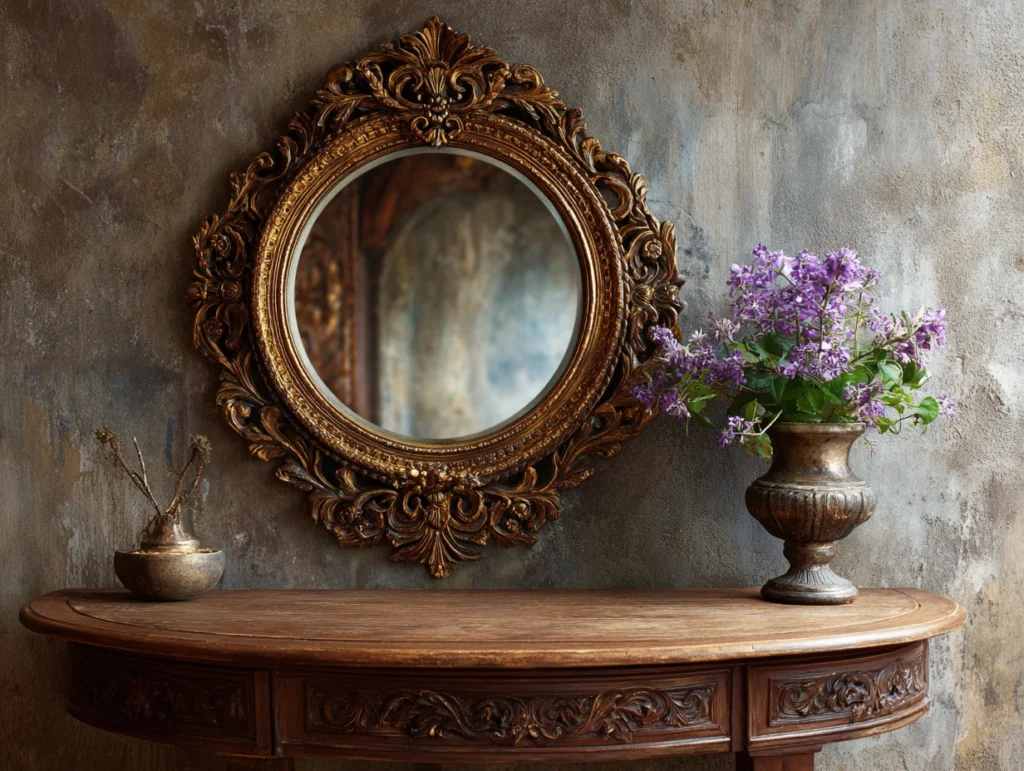
From a historical perspective, the symbolism of mirrors holds considerable weight across various cultures. In Feng Shui, mirrors are not merely reflective surfaces; they are thought to symbolize clarity, insight, and the ability to see beyond the surface. Traditionally, mirrors are believed to ward off negative energy and attract positive forces, making them pivotal in establishing balance within one’s dwelling. The careful consideration of mirror orientation, size, and location can significantly impact the overall dynamics of chi flow. Such practices highlight the profound effects that seemingly simple objects like mirrors can have on the energy and harmony of one’s living environment.
Placement of Mirrors in Your Home
The principles of Feng Shui emphasize that the placement of mirrors can significantly affect the energy flow, or “Chi,” within a home. Mirrors are not merely decorative items; they serve as tools to enhance, redirect, and amplify energy in spaces. However, to achieve harmony, it is essential to follow certain guidelines when positioning mirrors.
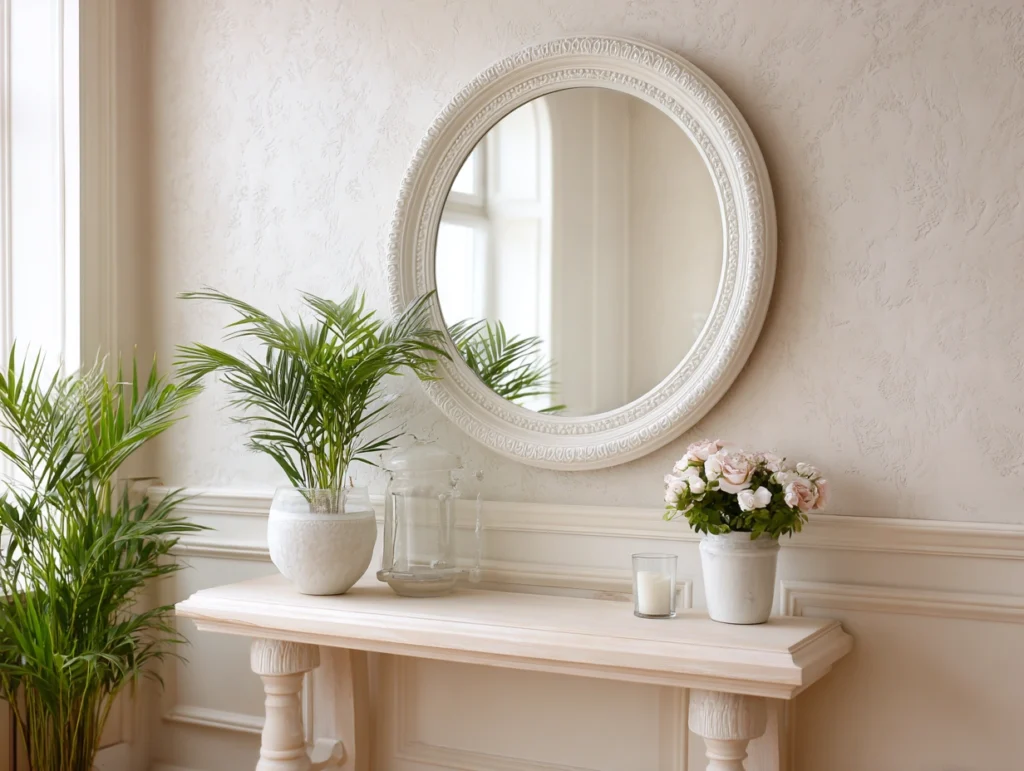
A fundamental rule in Feng Shui is to avoid placing mirrors directly opposite doors. This arrangement can cause the energy entering the room to bounce back out, preventing it from circulating and filling the space with positive Chi. Similarly, mirrors should not be positioned directly across from beds. Doing so can create a sense of unease and disrupt restfulness, as individuals may feel vulnerable when they sense their reflection while sleeping. Additionally, placing mirrors facing windows can lead to an undesirable scattering of energy, as the visible outside distractions can pull focus away from the comfort of the interior.
On the other hand, specific rooms are considered more conducive for mirror placement. For example, mirrors in living areas can promote social interaction and foster a vibrant atmosphere. In dining rooms, mirrors can enhance the perception of abundance, reflecting the food and gathering around the table. When it comes to mirrors in bathrooms, ensure they do not encourage overindulgence, which can lead to vanity. To direct and enhance energy flow using mirrors, consider the angles and reflections they create. Strategically positioning mirrors to reflect views of greenery or beautiful objects can amplify positive energy throughout the space.
By adhering to these Feng Shui rules on mirror placement, one can optimize the flow of energy in their home, fostering a tranquil and harmonious environment conducive to well-being.
Types of Mirrors and Their Energetic Qualities
In Feng Shui, the type of mirror chosen for your space can significantly influence the flow of energy, or “chi.” Understanding the various types of mirrors and their distinct characteristics is essential for enhancing harmony in your home. One primary distinction in mirrors is between framed and unframed mirrors. Framed mirrors often embody a sense of unity and stability, as the framework adds a boundary, allowing for a more focused reflection. This style is typically advantageous when placed in areas intended for social interaction, such as living rooms, as it can create a welcoming atmosphere.
Conversely, unframed mirrors tend to convey a more expansive quality, symbolizing infinite energy. They can effectively amplify light and space, making them ideal for smaller areas or dark corners of a home, enhancing their overall vitality. However, when using unframed mirrors, it is advisable to consider their placement carefully, as their openness can sometimes lead to scattered energy.
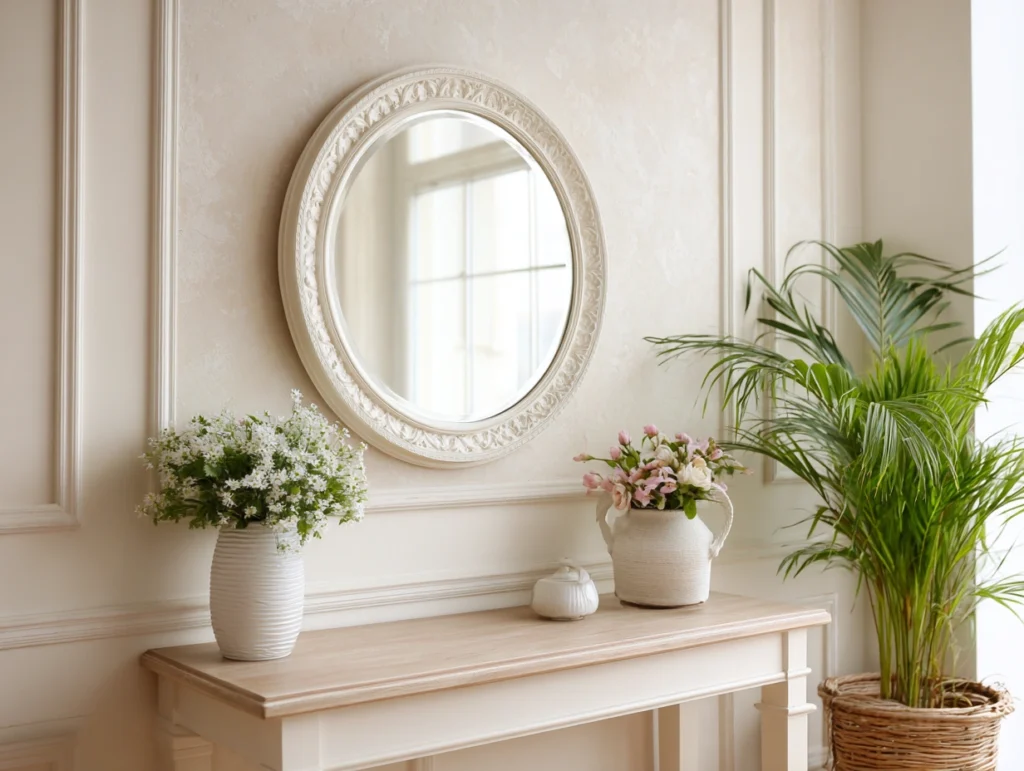
The shape of mirrors also plays a crucial role in Feng Shui practice. Round mirrors are often associated with balance and continuity, making them suitable for areas highlighting relationships or family connections. Their soft edges promote harmony and are commonly placed in dining rooms or bedrooms. On the other hand, square or rectangular mirrors convey stability and support, reflecting solidity and strength. These shapes can effectively anchor the energy of a space when placed in home offices or study areas.
Finally, decorative mirrors can bring a unique personality to a home while also serving functional purposes. By carefully selecting the design and style that resonate with your space, you can utilize decorative mirrors to enhance aesthetic appeal and harmonize energy flow. Each type of mirror, whether framed or unframed, round or square, offers a unique way of influencing and balancing the energy in your living environment.
Common Mistakes to Avoid with Mirrors
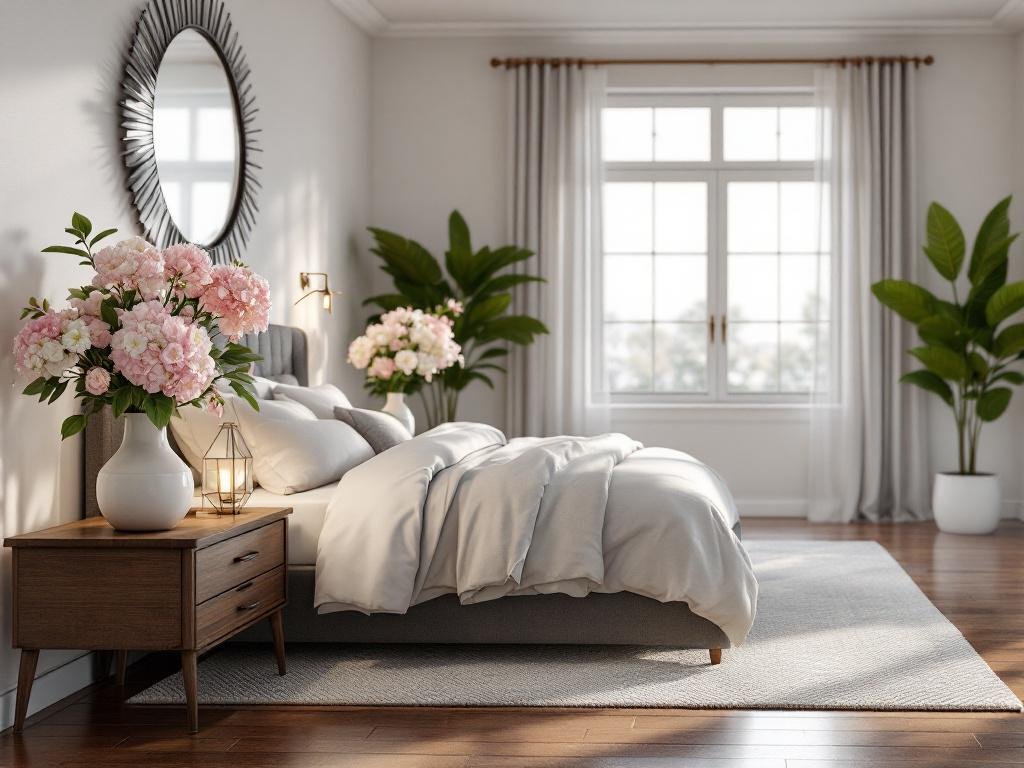
Incorporating mirrors into your living space can significantly enhance the flow of energy, or Chi, in accordance with Feng Shui principles. However, there are common pitfalls that individuals may encounter when positioning mirrors, which can counteract their intended benefits. Recognizing these mistakes is essential to achieving a harmonious environment.
One prevalent error is the use of cracked or dirty mirrors. Such mirrors not only disrupt the aesthetic appeal of a room but also convey negative energy. In Feng Shui, a clean and whole mirror is symbolic of clarity and reflection of a positive self-image. Regular maintenance is essential—ensure that mirrors are free from dust, smudges, and any imperfections that may compromise their effectiveness. If a mirror is cracked, it is advisable to replace it to prevent any negativity from being reflected into your space.
Another common mistake is the overuse of mirrors in small areas. While mirrors can create the illusion of space by reflecting light, excessive usage may lead to confusion or chaos. In small rooms, it is wiser to strategically place a single, well-positioned mirror, instead of clustering multiple mirrors, which can create visual disarray. This ensures a balanced flow of energy and fosters a calming atmosphere.
Moreover, failing to consider the reflections created by mirrors can result in unintended consequences. Mirrors can reflect clutter, which may amplify feelings of stress or disorder. Always assess what your mirror reflects—choosing to reflect soothing views like nature, artwork, or well-organized sections of the room can greatly enhance the ambiance. If there are unpleasing views, consider repositioning the mirror or using decorations to soften the reflection.
By avoiding these common mistakes with mirrors, individuals can create a more harmonious living space that effectively supports well-being and positive energy flow.

