
Understanding the Rule of Odd Numbers
In the realm of floral design, the rule of odd numbers is a fundamental principle that many florists and designers adhere to for creating visually compelling arrangements. This guideline suggests that utilizing odd numbers of flowers, such as three, five, or seven, often yields more dynamic and appealing displays than arrangements featuring even numbers. The reasoning behind this concept is deeply rooted in both aesthetic appeal and psychological impact.
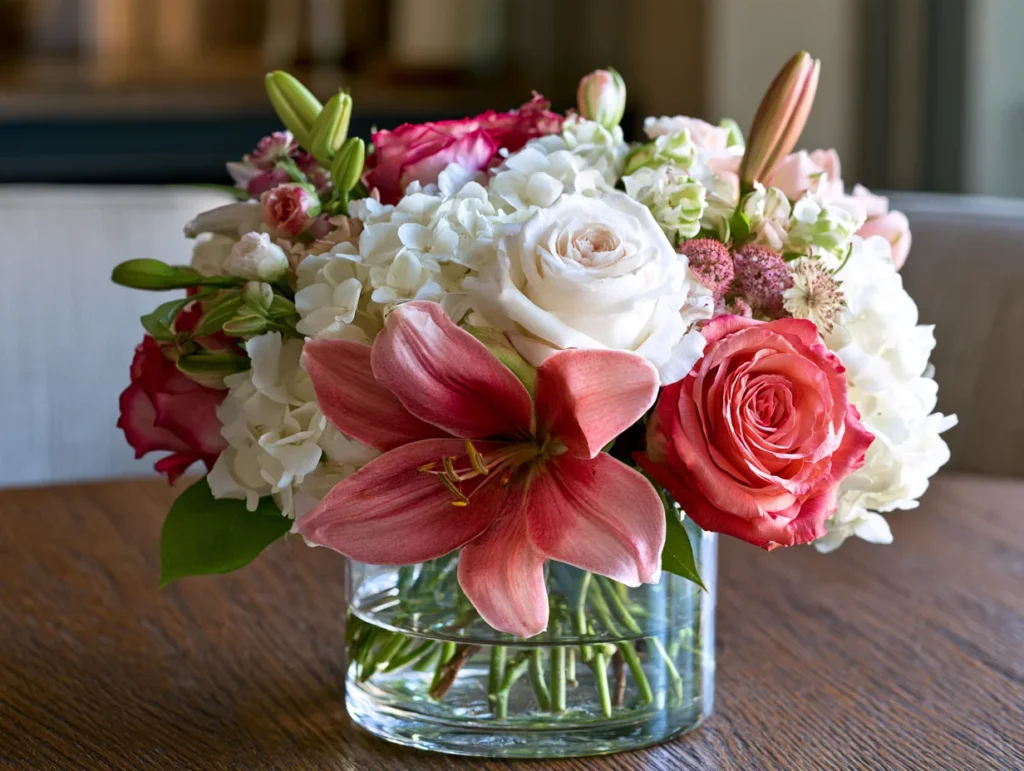
Odd-numbered groupings tend to create a sense of balance and harmony without appearing overly structured. For instance, a bouquet containing five roses can convey movement and interest through its natural asymmetry, as opposed to a uniform arrangement of four or six blooms which can feel static or forced. The natural curves and variations in height of each flower can be emphasized more effectively when arranged in odd numbers, adding depth and texture to the display.
Moreover, the psychological effects of odd numbers cannot be overlooked. Research has shown that people often find odd groupings more visually appealing, associating them with a relaxed, informal ambiance. This effect can be particularly beneficial in creating floral arrangements for events or environments that aim to foster a sense of comfort and approachability. For example, an odd-numbered centerpiece on a dining table can invite conversation and engagement, breaking the formal barriers often associated with even-numbered setups.
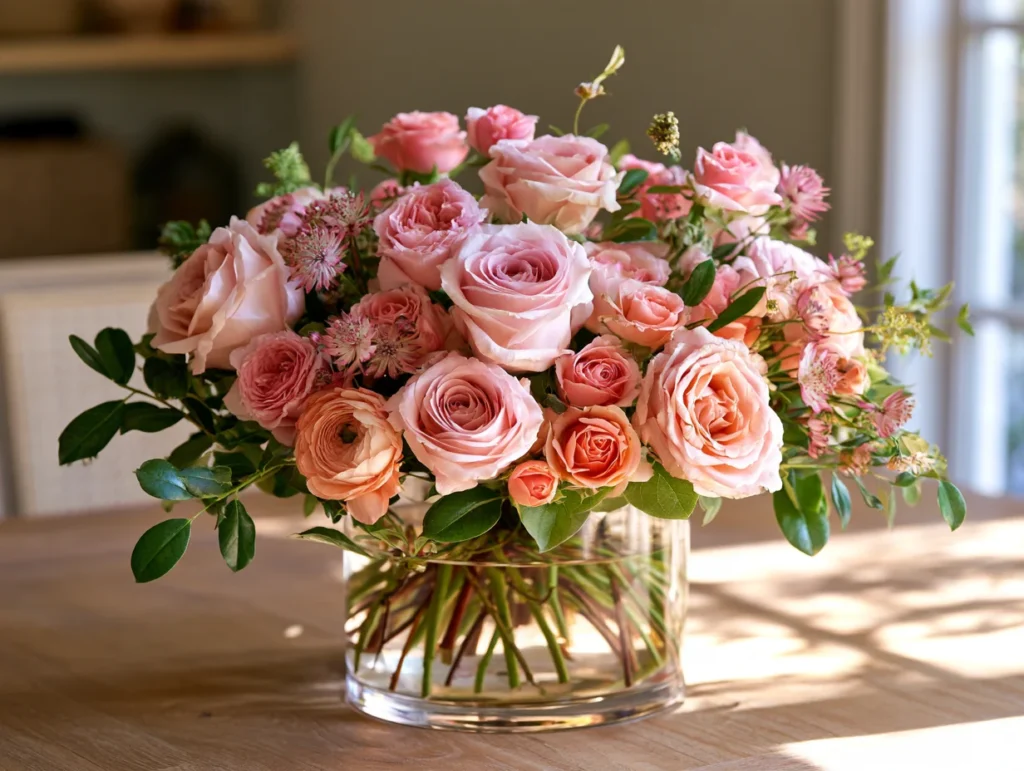
Furthermore, the aesthetic and psychological implications of odd numbers resonate with the principles of nature, where asymmetry and irregularities frequently occur. By mirroring these organic patterns in floral arrangements, designers can enhance the visual intrigue and emotional resonance of their work. Thus, embracing the rule of odd numbers transcends mere preference; it is an integral part of crafting captivating and memorable floral designs.
The Aesthetic Appeal of Odd Groupings
The use of odd numbers in floral arrangements is widely recognized in the world of design, particularly for its aesthetic advantages. Arranging flowers in odd quantities not only creates a visually pleasing effect but also contributes to the overall balance of the display. It allows the arrangement to maintain a sense of harmony while simultaneously introducing an element of dynamism.
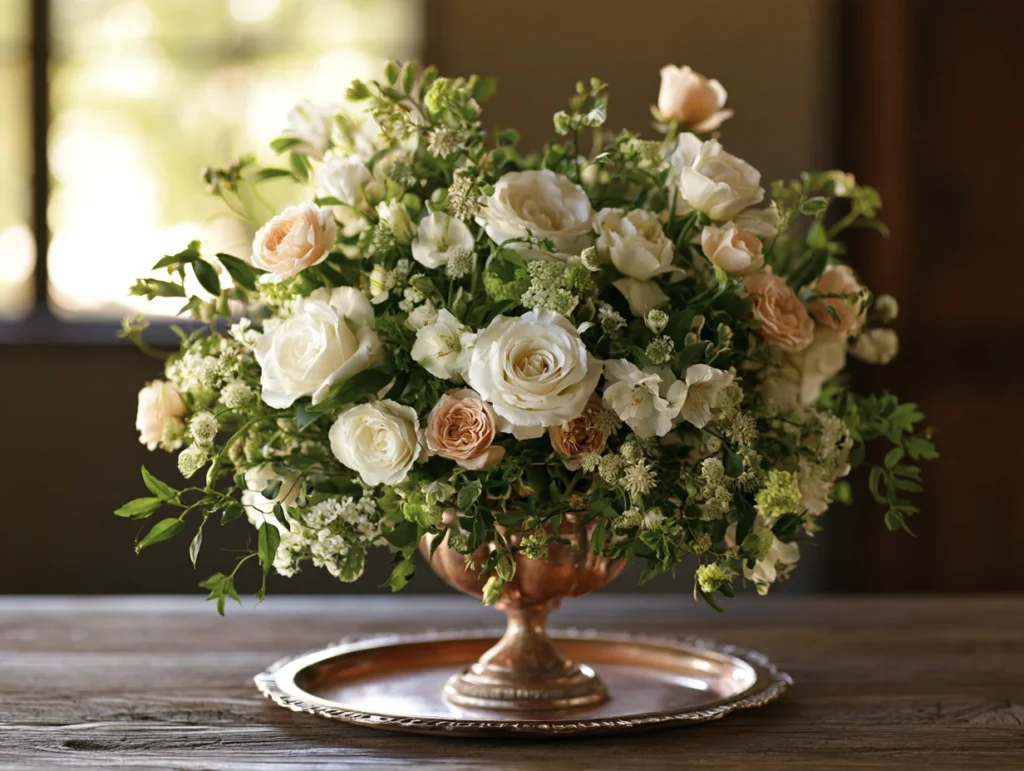
One primary benefit of employing odd-numbered groupings is their ability to lead the eye through the arrangement. When flowers are grouped in sets of three, five, or seven, it promotes a natural flow that enhances the viewer’s experience. Instead of a rigid, symmetrical form, odd groupings encourage the observer to explore each part of the arrangement, creating a more engaging interaction.
This concept aligns well with the principles found in nature. Many natural formations, from the branching of trees to the arrangement of petals on a flower, often display odd numbers. These patterns resonate more strongly with our perceptions of beauty and order. When floral designs mimic these organic growth patterns, they evoke a sense of harmony and reflect the complexity of nature.
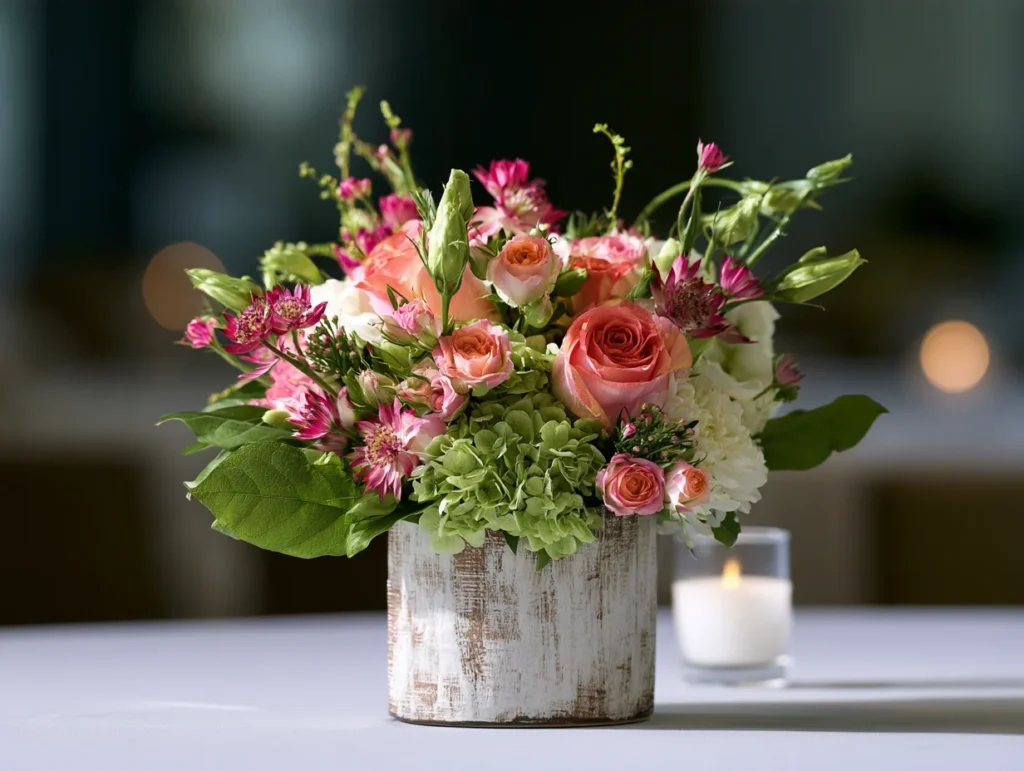
Moreover, asymmetry plays a crucial role in the visual appeal of odd-numbered arrangements. Asymmetrical designs embody the balance between randomness and structure, making the display feel effortless and organic. This unpredictability captivates viewers, drawing them in and allowing the floral arrangement to stand out as a statement piece. The use of odd numbers also ensures that each bloom has space to breathe, preventing overcrowding and allowing its inherent beauty to shine.
In conclusion, utilizing odd numbers in floral arrangements not only enhances visual interest but also aligns with natural aesthetic principles. The balance, movement, and mimicry of natural growth patterns foster a captivating arrangement that resonates with the observer, making odd groupings a timeless choice in floral design.
Symbolism and Meaning Behind Odd Numbers
Odd numbers have often held significant positions in various cultures, particularly within the context of floral arrangements. The numbers 3, 5, and 7 are frequently chosen not merely for their aesthetic appeal but for their rich symbolic meanings and emotional resonance. These numbers can transform a simple flower arrangement into a profound expression of sentiments, making them much more than mere decor.
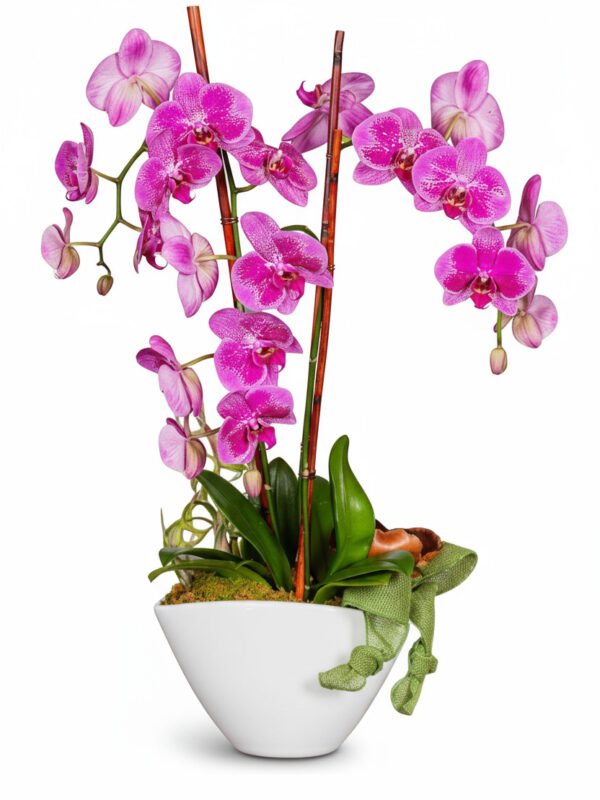
The number 3 is widely regarded as a number of harmony and balance. In many cultures, such as in Christianity, it symbolizes the Holy Trinity. When used in floral arrangements, three blooms can create a pleasing visual balance while also evoking feelings of completion and unity. This can deepen the emotional impact of a bouquet, as recipients are often drawn to the harmony that three elements represent.
Moving on to the number 5, this figure often embodies change and adventure. In various traditions, it represents curiosity, dynamic energies, and the understanding of both the microcosm and macrocosm. Floral arrangements utilizing five flowers can suggest spontaneity and vitality; they bring a sense of energy that invites the observer to engage with the arrangement more deeply. This number is ideal for creating arrangements intended to capture attention and evoke excitement.
Lastly, the number 7 is frequently associated with mystery and spirituality. In cultures around the world, it is often viewed as a powerful and lucky number. Arrangements comprised of seven blooms can be perceived as holding deeper meanings, suggesting introspection and spiritual exploration. Using seven in a floral design can elicit feelings of intrigue and contemplation, adding a layer of depth to the arrangement that resonates on a more emotional level.
Incorporating these odd numbers strategically within floral arrangements can significantly enhance their meaning and emotional connection. Whether it’s the harmony of three, the adventure in five, or the mystery in seven, using odd numbers lends a complex narrative to floral design, allowing them to tell a story or evoke particular feelings in those who receive or observe them.
Practical Tips for Arranging Flowers with Odd Numbers
Creating floral arrangements using odd numbers can yield a visually engaging and dynamic presentation. Here are some practical tips to assist you in selecting and arranging your flowers effectively.
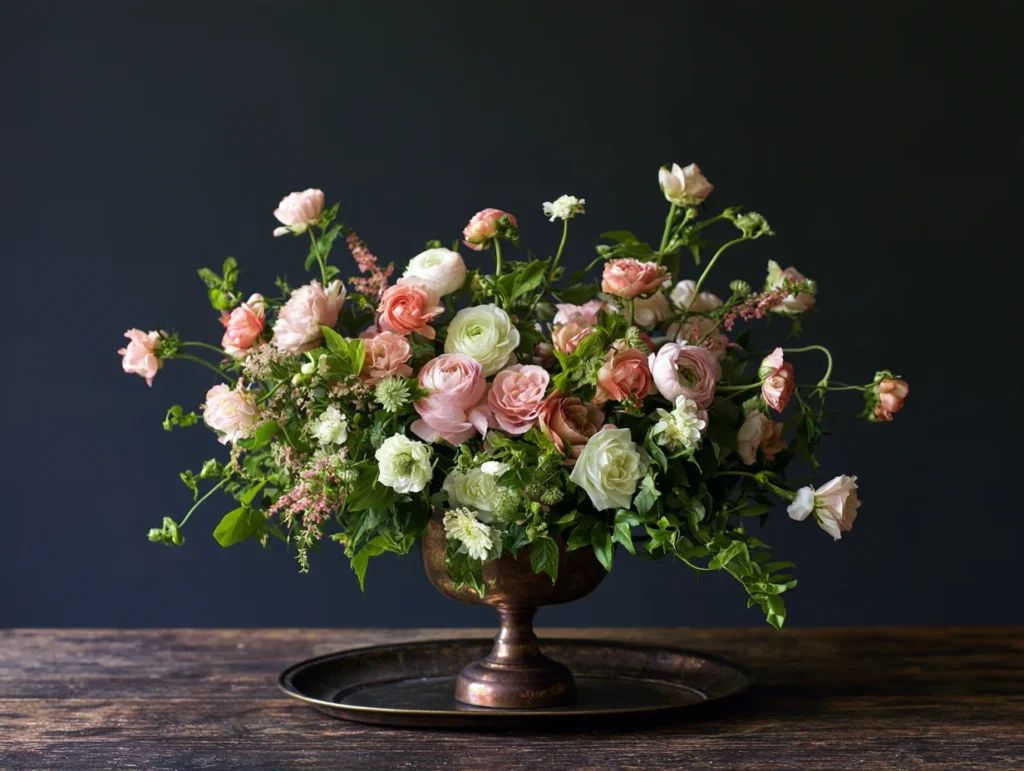
First, consider your selection of flowers. Choose a focal flower that stands out to draw attention. This flower should be complemented by secondary blooms that vary in size, shape, and texture. Utilizing odd numbers, such as three, five, or seven stems, will help create an organic balance in your arrangement while allowing your focal flower to shine. Remember, the key is to pick flowers in odd quantities to cultivate that unique visual appeal.
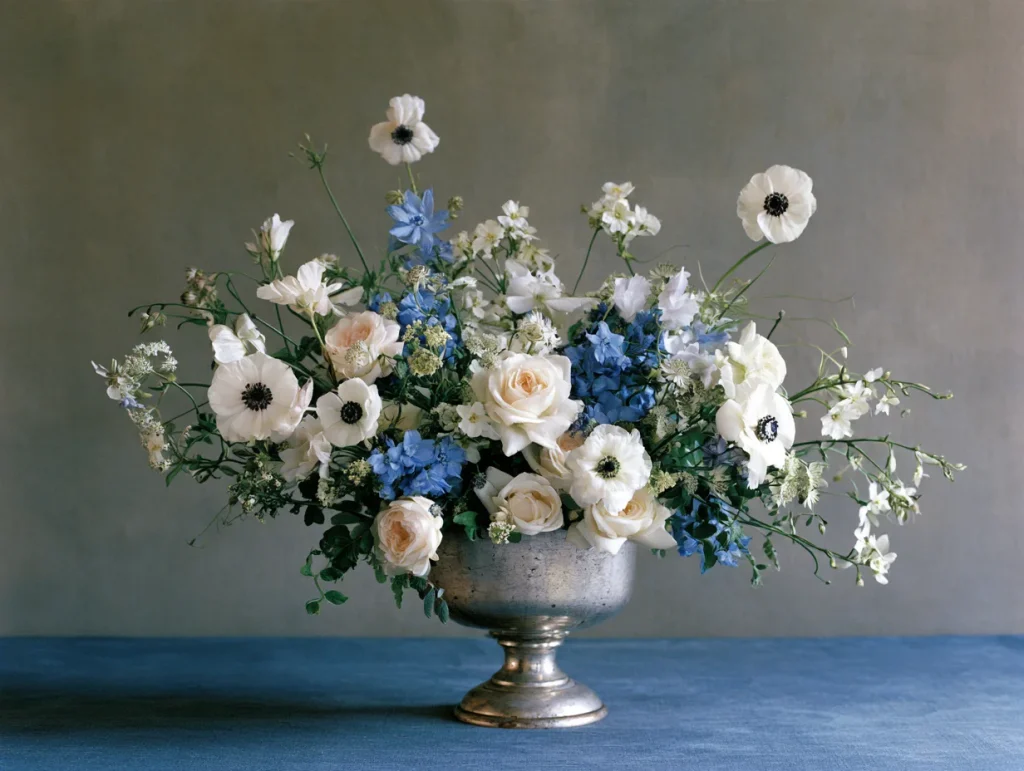
Next, focus on the color palette of your arrangement. It is essential to balance the hues and ensure that they work harmoniously together. Select flowers in contrasting colors for a vibrant look or stick to shades of the same color family for a more cohesive design. This technique not only highlights the flowers’ characteristics but also enhances the overall impact of the arrangement.
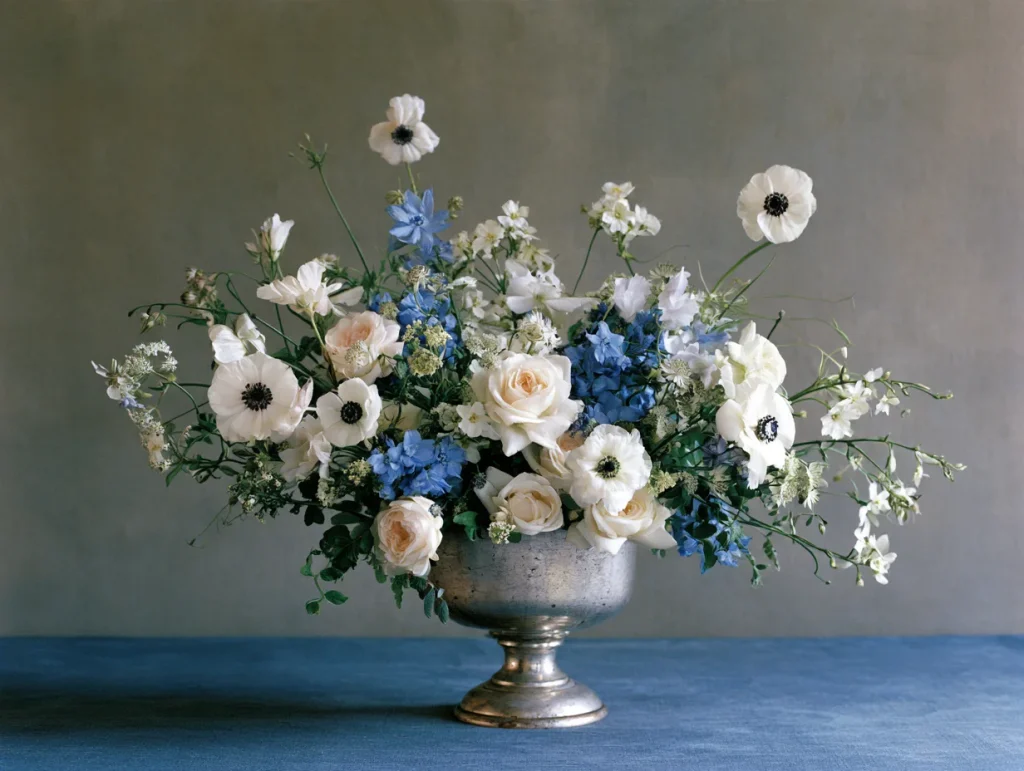
When arranging the blooms, vary the heights and directions of the flowers to add depth and interest. Place taller stems in the center or at the back and shorter ones in the front or on the sides to achieve a layered effect. This will give your arrangement a sense of fullness and life, making it appear more abundant despite using an odd number of flowers.
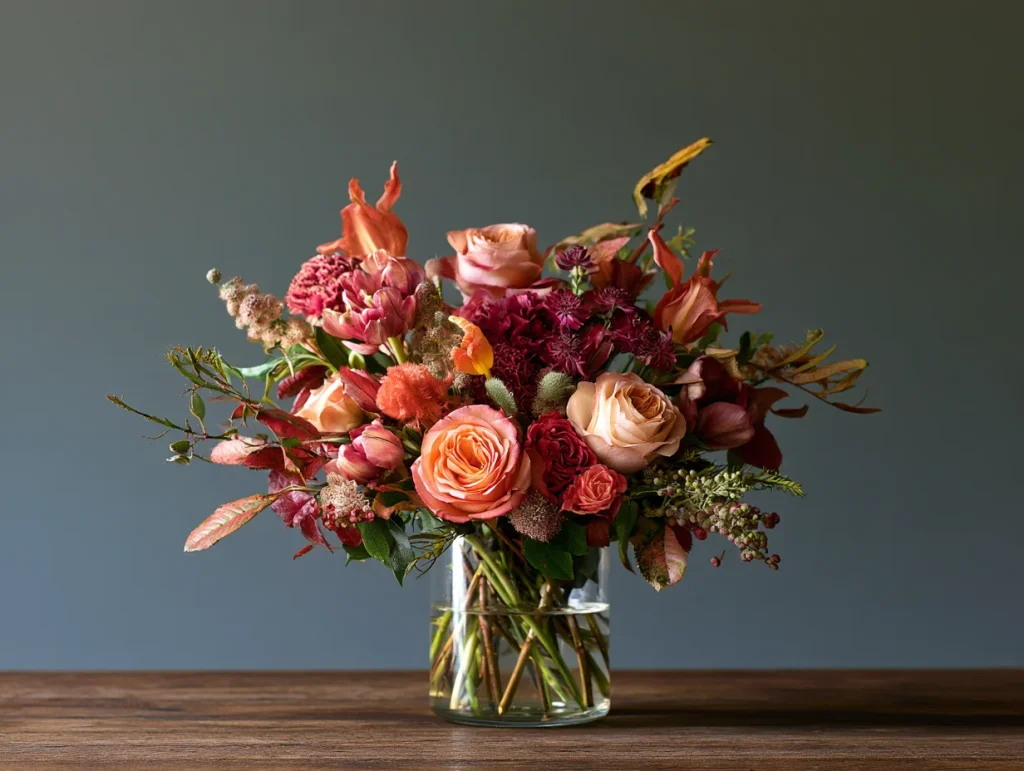
Finally, ensure that the container you use complements your arrangement while not competing for attention. The vase or base should enhance the overall design, allowing the flowers to be the primary focus. With these tips in mind, anyone can create captivating floral arrangements using the power of odd numbers.