Understanding Feng Shui and Its Principles
Feng Shui, an ancient Chinese philosophy, is rooted in the idea of creating harmonious environments that promote health, happiness, and prosperity. This practice is centered around the arrangement of physical spaces and objects to optimize energy flow, known as Chi. The fundamental belief is that the way one organizes their environment can greatly influence one’s well-being and the quality of life.
At the core of Feng Shui lies the interaction of Yin and Yang, which symbolizes the balance between opposite forces. Yin represents darkness, passive qualities, and receptivity, while Yang embodies brightness, active qualities, and assertiveness. Achieving harmony between these energies is crucial for a balanced living space and is particularly relevant during festive times like Easter, where the celebration of renewal and harmony takes center stage.
Another critical component of Feng Shui is the theory of the five elements: wood, fire, earth, metal, and water. Each element represents specific energies and characteristics, and they interact with each other in constructive or destructive ways. For instance, wood nourishes fire, while water can extinguish fire. Understanding these relationships can help individuals create a balanced atmosphere that supports their intentions during seasonal celebrations.
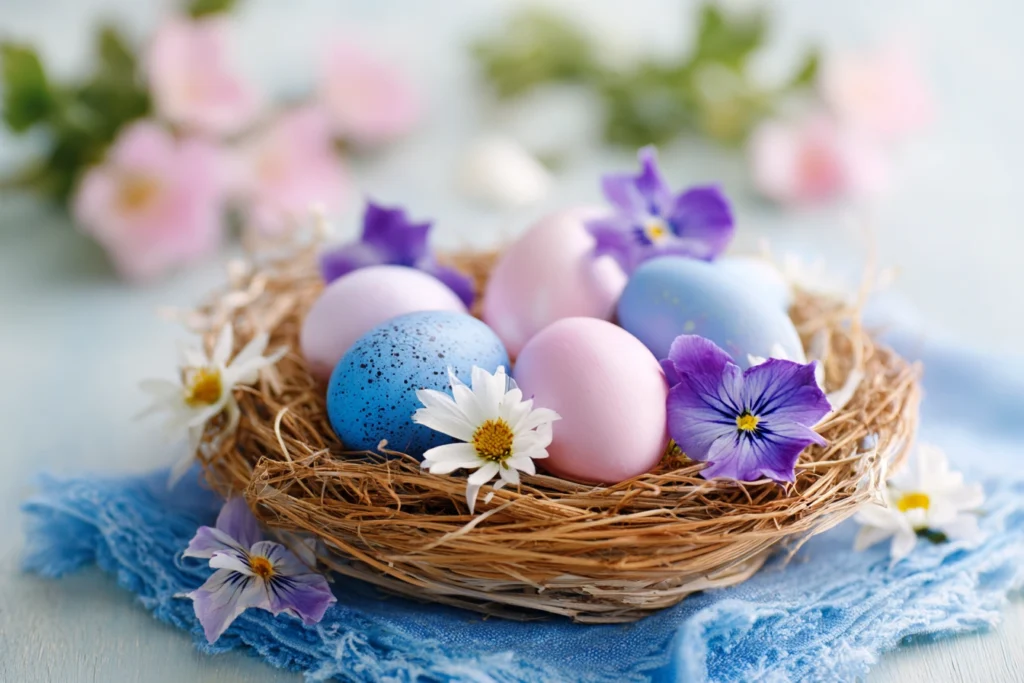
Incorporating Feng Shui principles during festivals, such as Easter, can enhance the joy and vibrancy of the occasion. By strategically placing decorations, arranging furniture, and selecting colors that align with the energies of this auspicious time, one can invite positivity and harmony into their celebrations. As we delve deeper into the intersection of Feng Shui and Easter, we will explore practical applications that can transform festivities into a more meaningful and balanced experience.
Feng Shui Tips for Easter Decorations
As Easter approaches, many individuals seek to incorporate festive decorations that not only celebrate the season but also promote harmony and positivity. Applying Feng Shui principles to your Easter decorations can significantly enhance the overall atmosphere of your celebration. One critical aspect to consider is color selection, as colors profoundly affect energy flow. Soft pastels like pale pink, light blue, and lavender are ideal choices. These hues evoke feelings of renewal and joy associated with spring, creating a vibrant and uplifting environment.
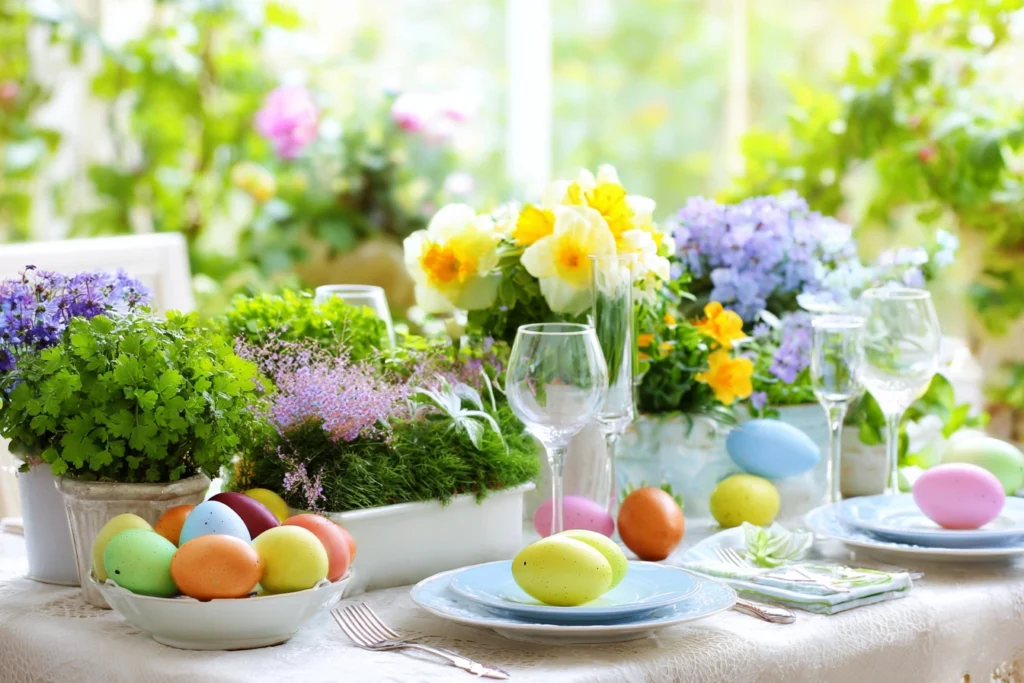
When arranging decorative elements such as Easter eggs and flowers, it is essential to maintain balance and harmony. Place Easter eggs in groups of three or five—these odd numbers symbolize completeness and encourage a more dynamic energy. Additionally, consider using natural materials such as wooden baskets or organic fabrics for your displays. Natural elements resonate with the Earth’s energy and can amplify feelings of tranquility during your festivities.
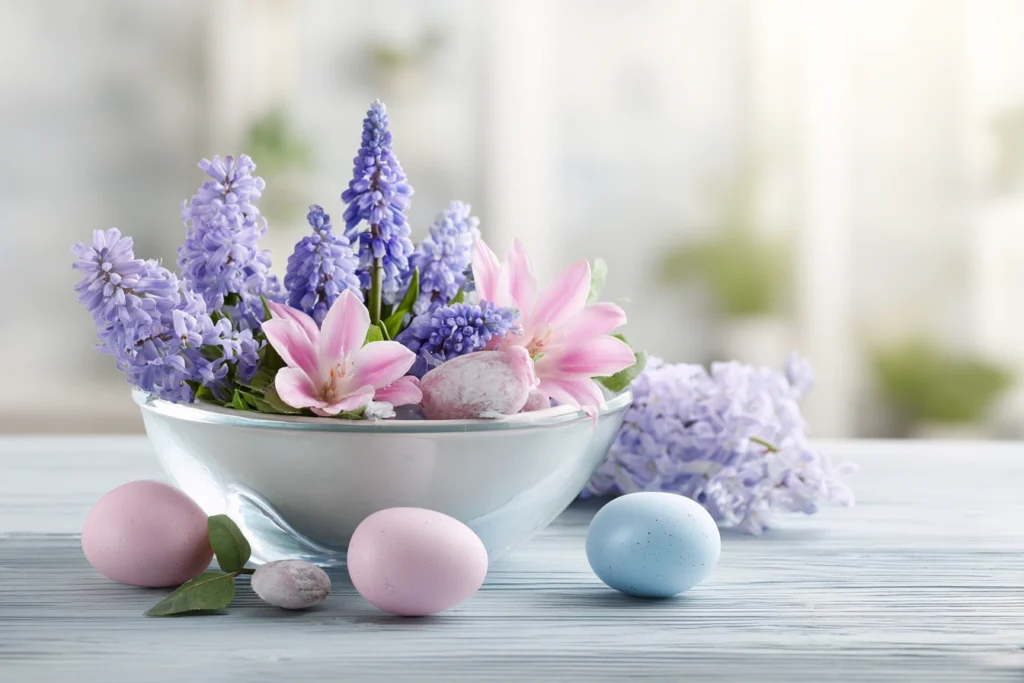
Flowers, being vibrant and life-affirming, play a pivotal role in your Easter decor. When selecting flowers, opt for seasonal varieties like tulips or daffodils, as they embody the spirit of renewal. Arrange these blooms with their stems in water to allow the flow of Chi, or energy, fostering a harmonious atmosphere in your space. Keep your arrangements well-balanced; symmetry is a core principle of Feng Shui that embodies stability and peace.
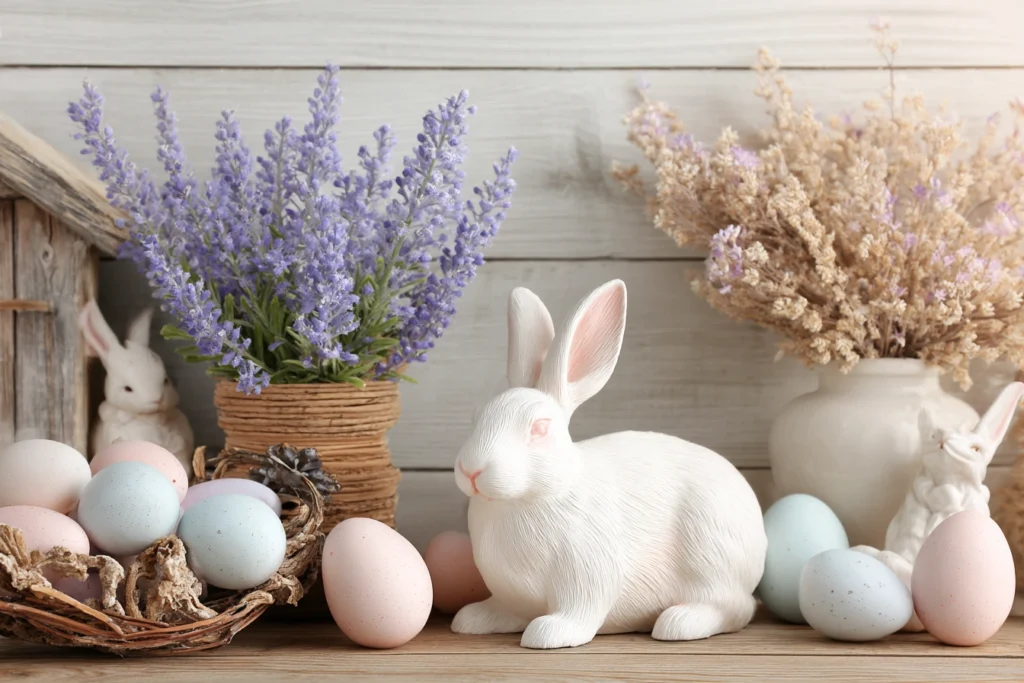
Moreover, introducing decorative features displaying symbols of new beginnings, such as rabbits or chicks, can enhance the celebrative energy while aligning with the festive theme. Utilize these elements thoughtfully throughout your living space, ensuring they facilitate an easy flow of movement. By gradually integrating these Feng Shui tips into your Easter decorations, you can cultivate a festive environment that truly embodies harmony and rejuvenation during this joyous season.
Creating a Balanced and Inviting Space for Easter Gatherings
Preparing for Easter gatherings requires thoughtful attention to the physical space in which celebrations will take place. According to the principles of Feng Shui, creating a balanced and inviting environment can enhance the overall atmosphere and ensure that positive energy flows throughout the area. One of the first considerations in aligning your space with these principles is the arrangement of seating. Seating should be organized to facilitate smooth conversations among guests, which can be achieved by placing chairs in a circular or oval configuration. This layout not only encourages interaction but also makes everyone feel included, thereby enhancing the sense of community.
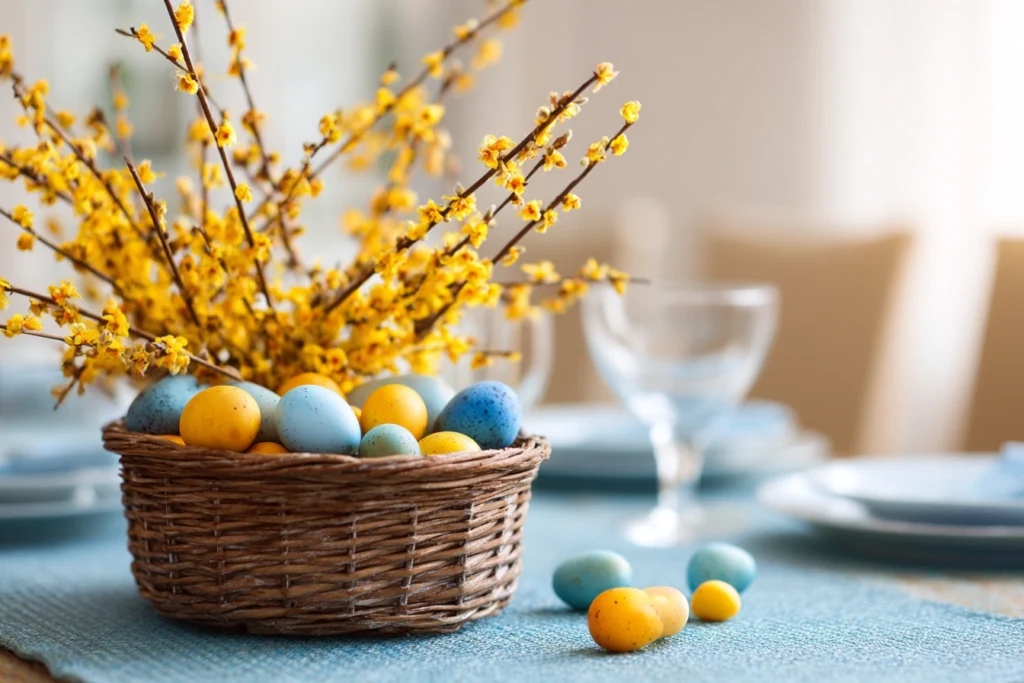
In addition to seating arrangements, incorporating natural elements such as foliage and flowers can significantly enhance the space. Flowers symbolizing rebirth, such as lilies and tulips, are excellent choices for Easter and can be strategically placed on tables or around the gathering area to infuse the environment with vibrant energy. These natural elements can evoke feelings of renewal, making the celebration more joyous and uplifting.
The entrance to your home or gathering space is equally significant in Feng Shui. To invite positive energy, ensure that the entrance is clean and well-organized. Consider adding a welcoming mat and some fresh plants or decorative elements at the doorway. These additions not only create visual appeal but also serve as a means of attracting good fortune and harmonious energy into your celebration.
Lastly, the dining layout plays a crucial role in fostering harmony among guests. A well-organized table that allows easy access to dishes encourages a comfortable dining experience. Consider using a round table if space allows, as it symbolizes unity and encourages interaction. By prioritizing these Feng Shui principles when setting up your space, you can create an inviting atmosphere that promotes connection and enjoyment during your Easter festivities.
Cleansing Energies for a Prosperous Easter Celebration
As Easter approaches, it is an ideal time to cleanse your space and prepare it for the positive energies of renewal and joy. Cleansing is a fundamental aspect of creating a harmonious environment, allowing for the good energy associated with Easter festivities to flow freely. Various techniques can be employed to clear negative energy that may linger in your home, ensuring a refreshing atmosphere for celebrations.
One effective method of cleansing is smudging with sage. This ancient practice involves burning sage and allowing the smoke to reach all corners of your space. The smoke is believed to dispel negativity, making way for positive energies. When conducting a smudging ritual, it is essential to set an intention for what you seek to release. This focused mindset enhances the efficacy of the cleansing process and paves the way for a joyful Easter.
Another technique for purifying your space is sound cleansing. Utilizing instruments such as bells, chimes, or singing bowls can facilitate the clearing of stagnant energies. The vibrations produced during sound cleansing can travel through your environment, resetting the energy to promote a more harmonious setting. Similar to smudging, it is vital to accompany this practice with a clear intention, allowing you to cultivate the atmosphere you desire.
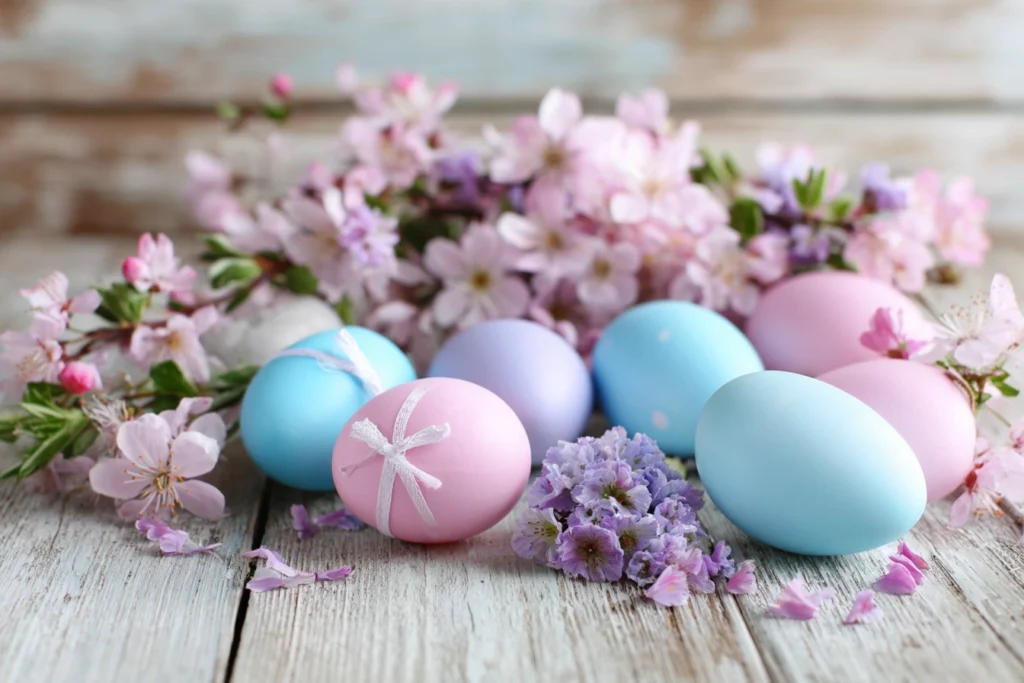
Enhanced by these cleansing practices, creating an altar or a sacred space provides a focal point for reflection and intention setting. This space can be adorned with symbols of spring, renewal, or whatever themes resonate with your Easter celebrations. Including items such as flowers, candles, and personal mementos can amplify your connection to the spirit of the holiday, nurturing feelings of unity and joy. By taking the time to prepare your space thoughtfully, you invite prosperity and positive energy into your Easter festivities.