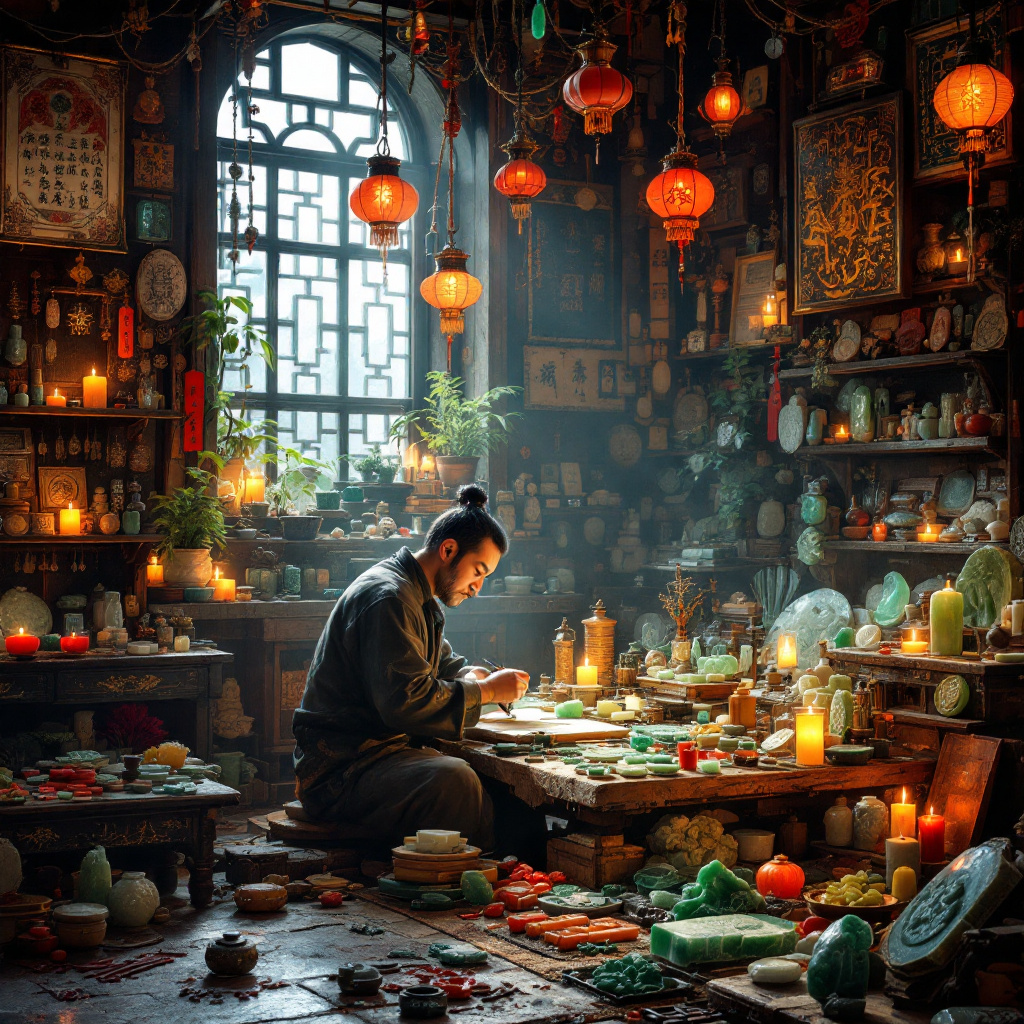
Feng Shui, a Chinese philosophical system, focuses on the harmonization of individuals with their surrounding environment. It has ancient roots dating back over 3,000 years, emerging from the practices of geomancy and natural observation. Its fundamental principle revolves around the flow of ‘qi’ (pronounced as ‘chee’), which is an essential life force found in all living things. The objective of Feng Shui is to create spaces where qi can flow freely, enhancing positive energy while diminishing negative influences.
One of the key aspects of this practice is the recognition of how our physical environments impact our mental and emotional states. By analyzing and adjusting the arrangement of objects within a space, practitioners aim to promote balance and harmony in their lives. Feng Shui principles emphasize the significance of natural elements such as wood, fire, earth, metal, and water, with each carrying its unique qualities and potential impacts on qi flow.
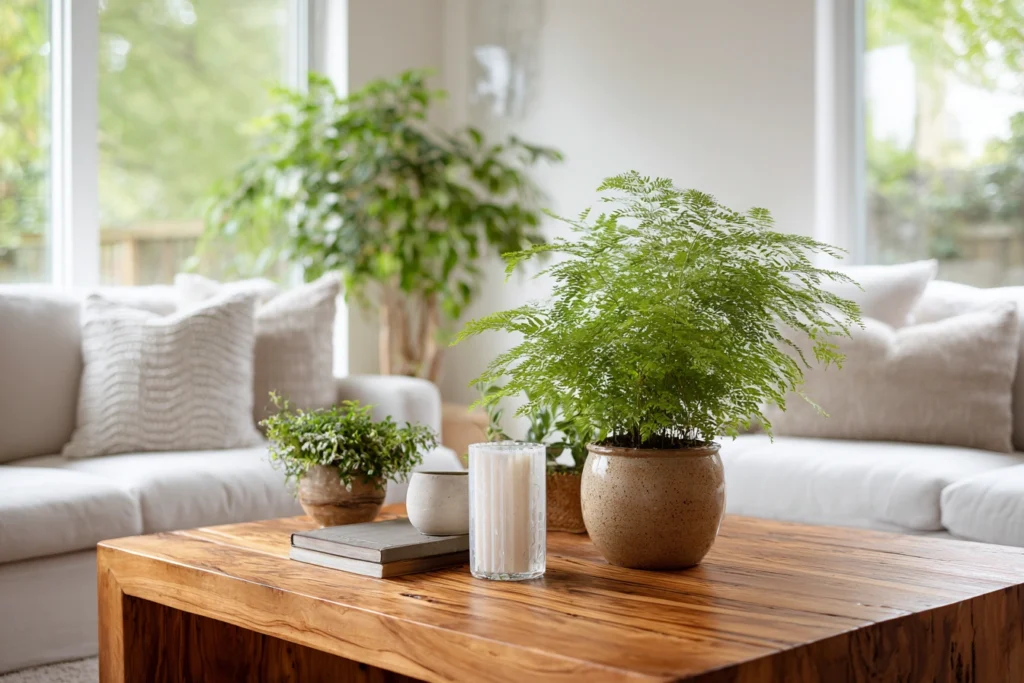
Plants, as living embodiments of the wood element, play a crucial role in enhancing Feng Shui. They not only improve indoor air quality but also foster a sense of vitality and growth, bringing their unique life force into a space. Strategically placing plants in various areas of a home can lead to improved concentration, reduced stress, and overall enhanced well-being. Moreover, ensuring that these plants are healthy and well-maintained resonates with the idea of promoting a flourishing environment. Thus, the incorporation of plants in your home not only enriches aesthetics but aligns with the foundational teachings of Feng Shui.
The Importance of Greenery in Feng Shui
In the realm of Feng Shui, greenery plays a pivotal role in enhancing the vital energy, or qi, within a living space. Plants symbolize prosperity, vitality, and harmony, contributing to the overall balance that is sought in this ancient practice. Each type of plant carries its unique set of meanings and qualities, allowing homeowners to intentionally select greenery that resonates with their aspirational energy.
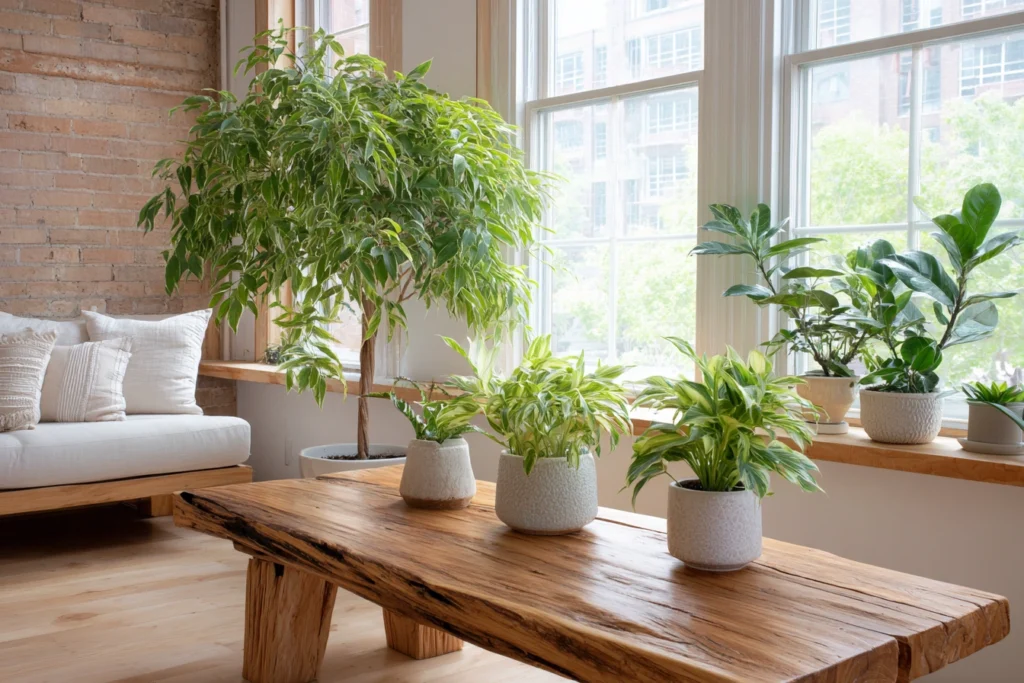
For instance, bamboo, recognized for its resilience and rapid growth, represents flexibility and strength, making it an ideal choice for promoting success in personal and professional endeavors. Conversely, the jade plant, often associated with wealth and abundance, serves as a talisman for attracting financial prosperity. By incorporating such plants, individuals can harness these positive energies to create a more harmonious environment.
Moreover, the classification of plants within the five elements of Feng Shui—wood, fire, earth, metal, and water—underscores their significance in promoting a balanced atmosphere. For instance, leafy houseplants belong to the wood element, fostering growth and creativity, while succulents, representative of the earth element, ground energy and stability. Understanding these connections helps in creating a holistic design plan that aligns with the desired energies in a space.
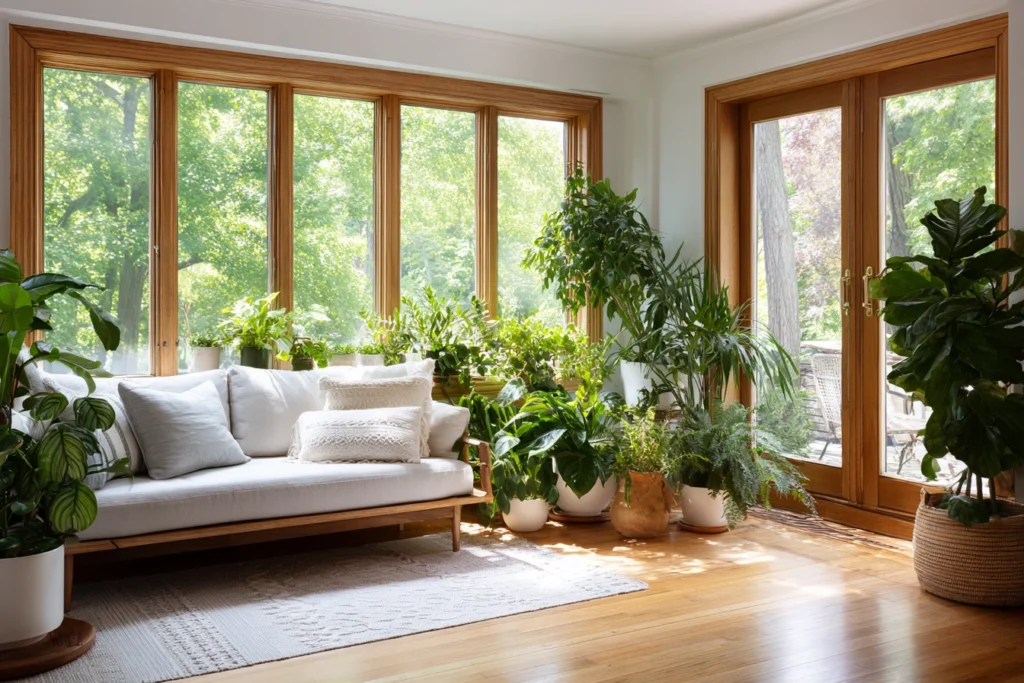
Overall, the inclusion of greenery not only beautifies a home but enhances the flow of qi, contributing to overall well-being. By thoughtfully selecting plants that evoke desired energies and emotions, one can create an uplifting and balanced living environment, making greenery an indispensable element in Feng Shui practices.
How Plants Act as Natural Energy Regulators
Plants are not only beautiful additions to our homes; they serve essential roles as natural energy regulators. Central to the practice of Feng Shui is the belief in qi, or life force energy, which is believed to flow through all living things. Plants actively contribute to this energy flow by purifying the air and promoting a sense of well-being. They are extraordinary at absorbing carbon dioxide, a common indoor pollutant, and releasing oxygen through photosynthesis. This process not only enhances the air quality but also helps in cultivating a more vibrant and life-affirming atmosphere.
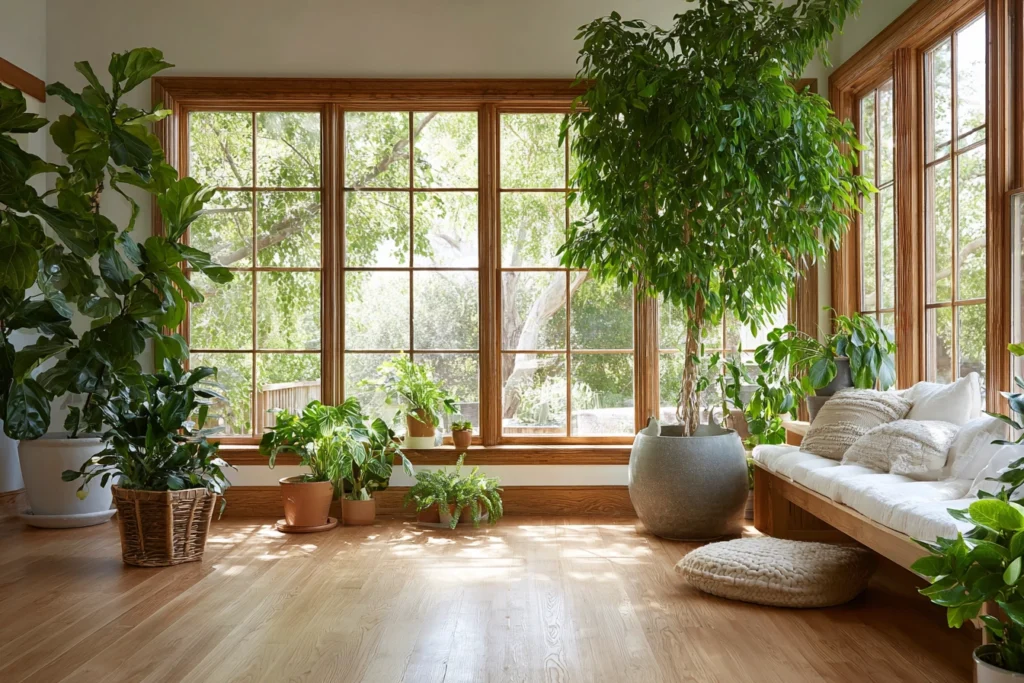
Moreover, various plant species are thought to exert different influences on the environment, thereby enhancing emotional health. For instance, low-light tolerant plants such as pothos and snake plants are ideal for dim rooms, as they continuously purify the air even in less-than-ideal lighting conditions. In contrast, plants like lavender and gerbera daisies can elevate mood and diminish stress levels, fostering an environment rich in positive energy. When these plants are strategically placed throughout the home, they can significantly affect the emotional landscape, providing comfort and stability.
In addition to air purification and emotional benefits, specific plants are associated with vibrant qi in Feng Shui. For example, the lucky bamboo plant is celebrated for its ability to attract prosperity and good fortune. Similarly, flowering plants can symbolize wealth and joy, contributing both beauty and positive energy. The very act of nurturing these living organisms can lead to a more harmonious living space, encouraging inhabitants to feel a deeper connection with their surroundings. Thus, by integrating plants into our homes, we can effectively enhance the overall qi, resulting in an uplifting and balanced environment.
Practical Tips for Incorporating Plants Into Your Home
Incorporating living plants into your home can significantly enhance the flow of qi, or energy, according to Feng Shui principles. The selection of plants, their placement, and proper maintenance play pivotal roles in optimizing this vital energy. Here are some practical tips to help you effectively integrate plants into your living space.
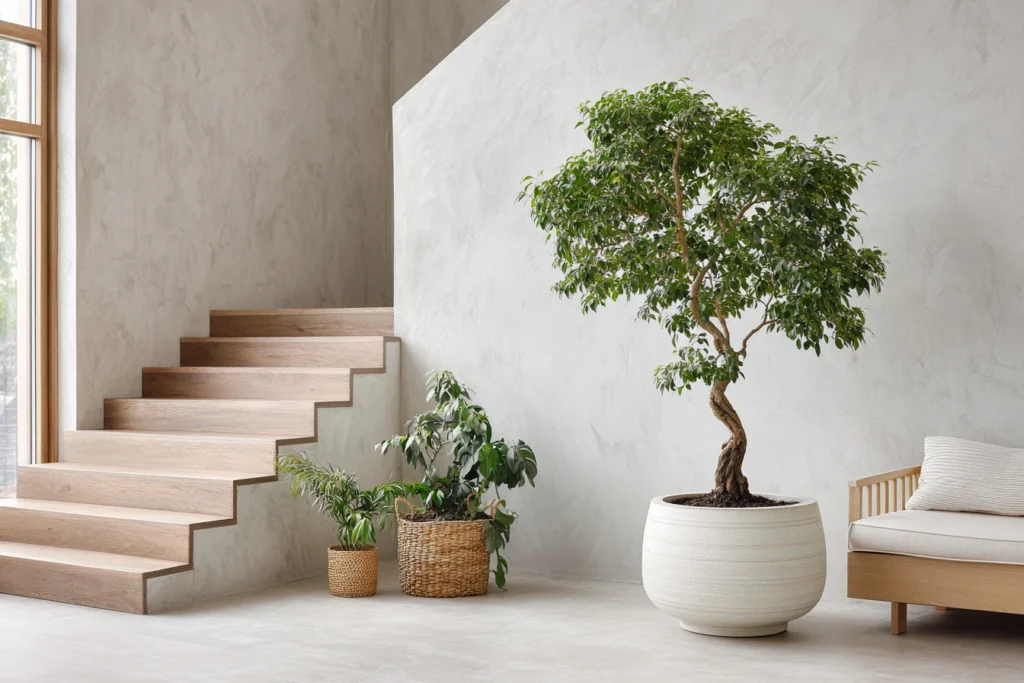
Firstly, choose the right types of plants for different areas of your home. For instance, in the bedroom, consider plants such as peace lilies or snake plants, which promote tranquility and restful sleep. In contrast, vibrant plants like money trees or jade plants can be beneficial in a home office as they are believed to attract prosperity and stimulate creativity. For areas requiring greater vitality, such as the kitchen or dining room, herbs like basil or mint not only serve decorative purposes but also enhance the room’s ambiance.
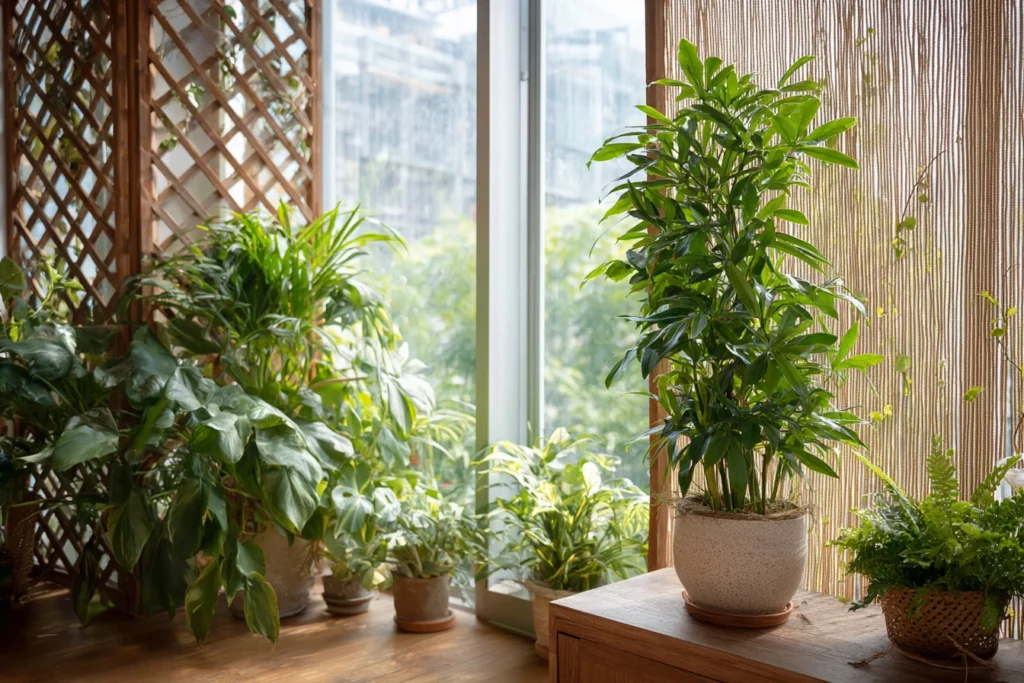
Placement of plants is critical in Feng Shui. Ensure that plants are positioned in locations where they can thrive, ideally receiving adequate natural light without being cramped or overshadowed. Avoid placing thorny or sharp-leaved plants, such as cacti, in main living areas as they can emit harsh energy. Instead, choose soft, round-leaved plants that invite warmth and positivity. A helpful guideline is to keep plants at or below eye level, promoting an inviting atmosphere.
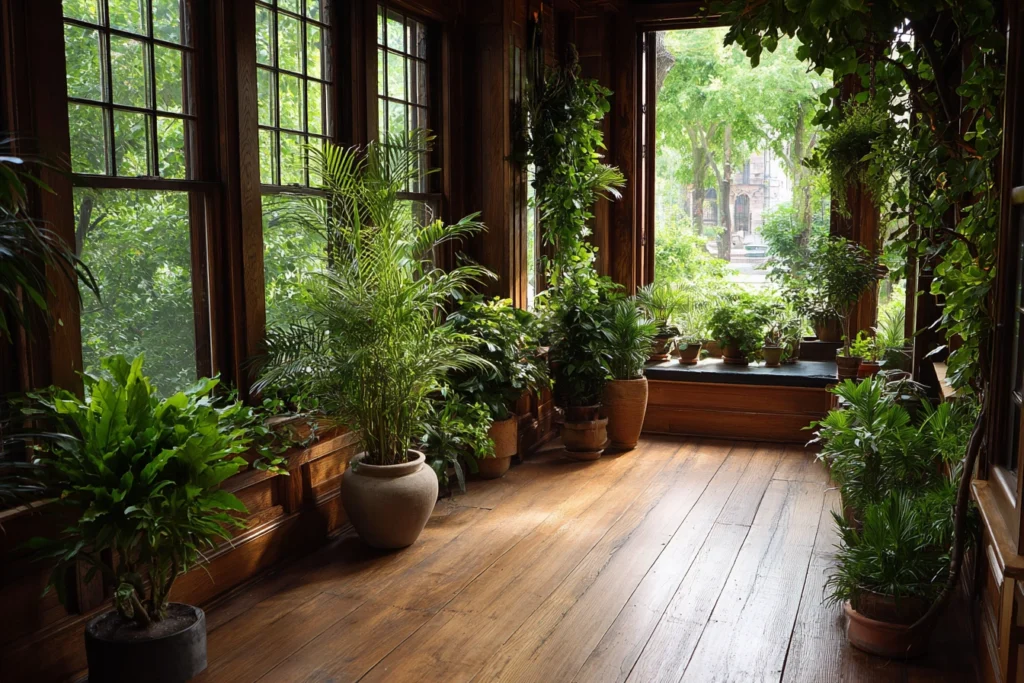
Maintenance is equally important when keeping plants in your home. Regularly check the health of your plants, ensuring they are watered adequately and receiving enough sunlight. Dry, brown leaves can signify stagnant energy, which can disrupt the feng shui of a space. Creating a care routine that includes not just watering but also gently pruning and cleaning the foliage will help promote vibrant, healthy plants that enhance your home’s energy.