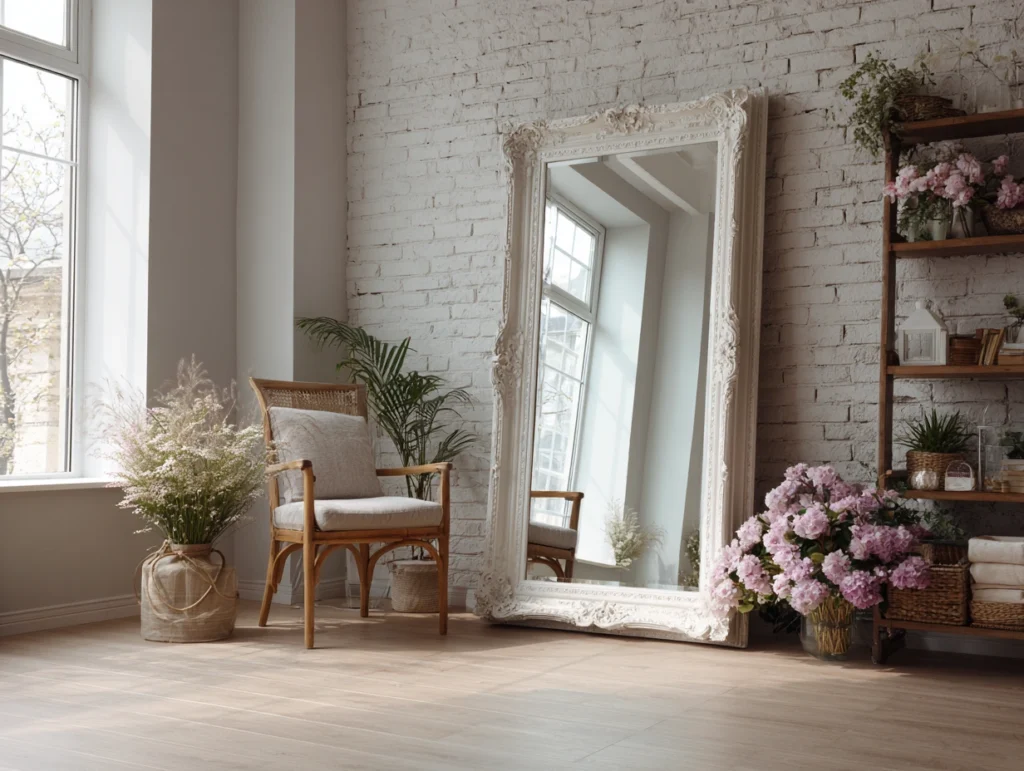
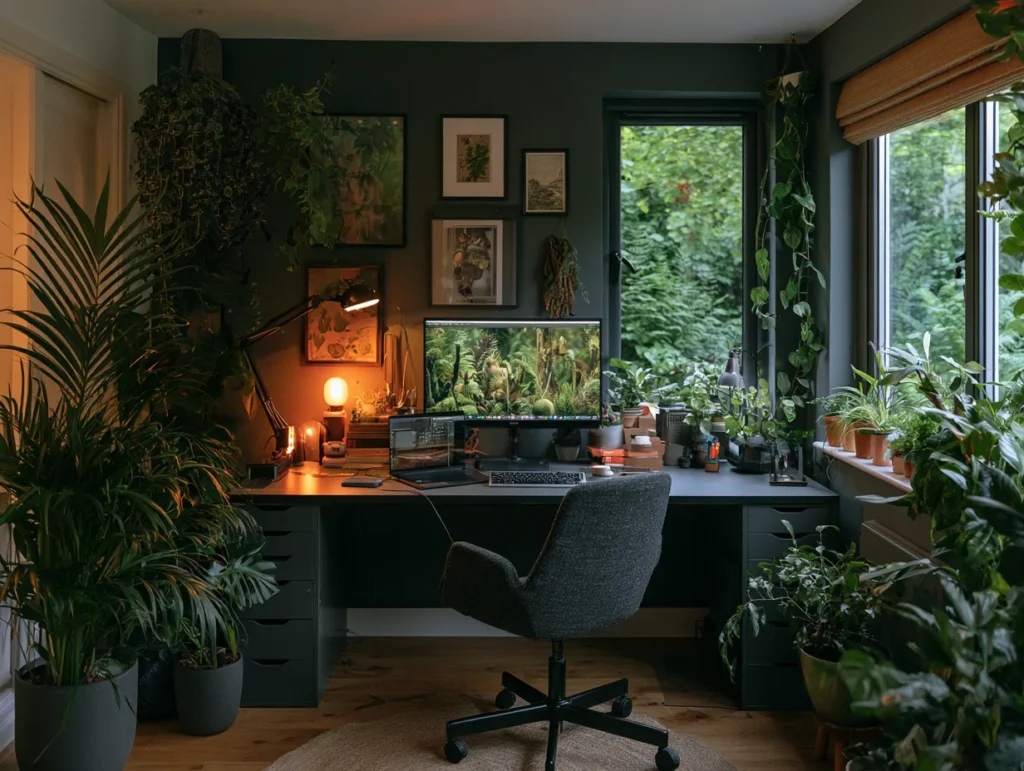
Feng Shui is an ancient practice that originated in China over 3,000 years ago, aiming to harmonize individuals with their surrounding environment. The term “Feng Shui” translates to “wind and water,” indicative of its focus on natural elements and flows. This cultural practice is founded on the belief that the arrangement and orientation of spaces can profoundly impact one’s health, happiness, and prosperity. Central to Feng Shui is the concept of “Qi,” or life energy, which is said to flow through everything, including buildings, rooms, and even garden spaces.
Understanding how Qi moves through an area is crucial to applying Feng Shui effectively. This energy travels along invisible pathways, influenced by the layout, colors, and materials present within a space. The goal is to create a balanced flow of Qi, enhancing safety and well-being. Practitioners emphasize that an environment should neither be overly cluttered nor excessively minimalistic, but rather, it should encourage movement and vitality.
Moreover, Feng Shui incorporates five elements: wood, fire, earth, metal, and water. Each of these elements corresponds to particular qualities and can reinforce specific energies in a space. For example, wood represents growth and vitality, while water symbolizes wealth and abundance. Balancing these five elements is essential, as an imbalance can lead to negative energy or stagnation, which may affect one’s emotional and physical states.
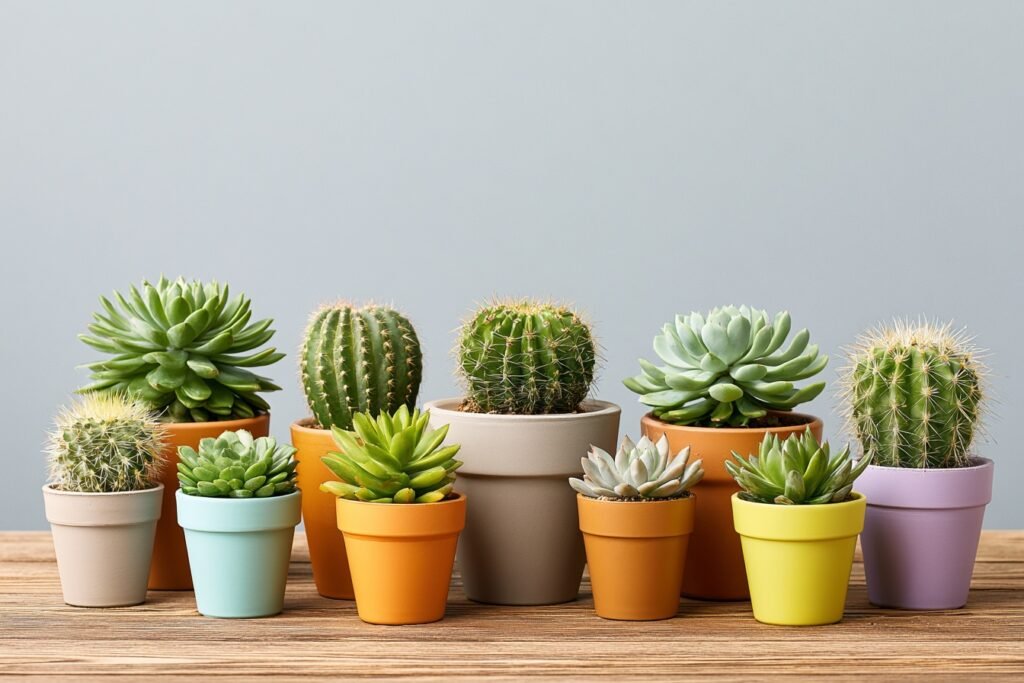
The arrangement of items, including plants and decorative objects, plays a significant role in Feng Shui. Strategically placing elements like cactus and succulents can promote positive energy flows and enhance the overall atmosphere in a living or working space. Their presence not only beautifies the environment but also contributes to creating an inviting energy conducive to well-being.
The Role of Cacti and Succulents in Feng Shui
Cacti and succulents hold a significant place in the practice of Feng Shui, largely due to their unique characteristics and resilience. These plants are often recommended for enhancing spaces because they are low-maintenance, making them an ideal choice for individuals with varying levels of gardening experience. They require minimal watering and can thrive in diverse lighting conditions, from direct sunlight to partial shade, thus allowing them to fit seamlessly into many environments.
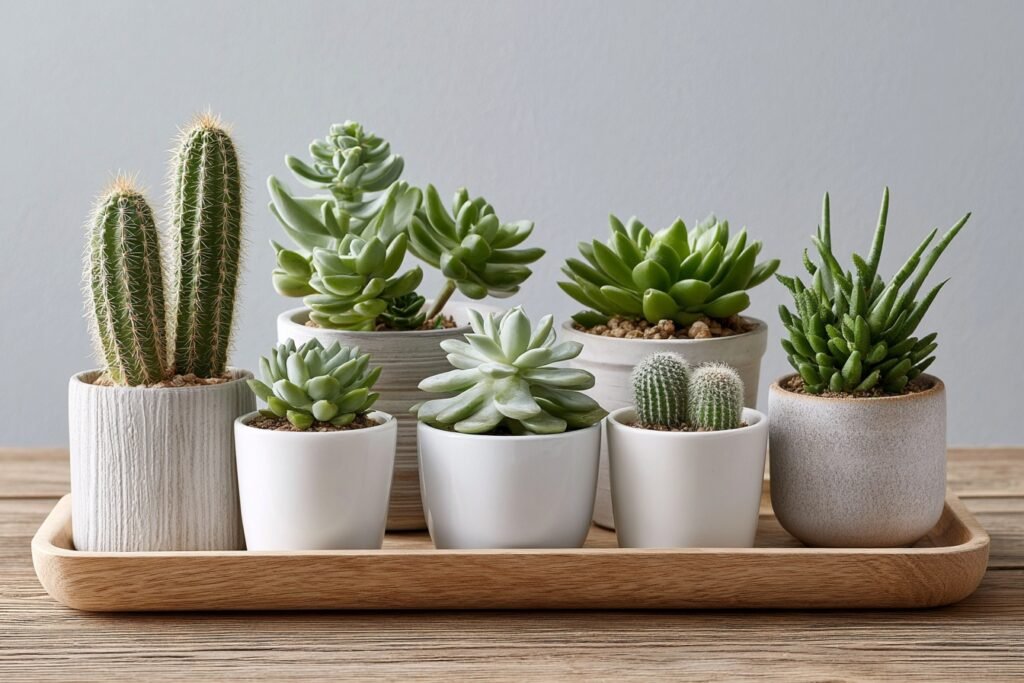
Beyond their practical qualities, cacti and succulents symbolize adaptability and resilience, traits that are revered in Feng Shui. Incorporating these plants into a home or office setting can promote a positive energy flow, known as “Chi.” The ability of cacti and succulents to maintain their structure and health in less-than-optimal conditions translates metaphorically to their role in personal growth and emotional well-being. This symbolic connection is what makes cacti and succulents powerful allies in the realm of Feng Shui.
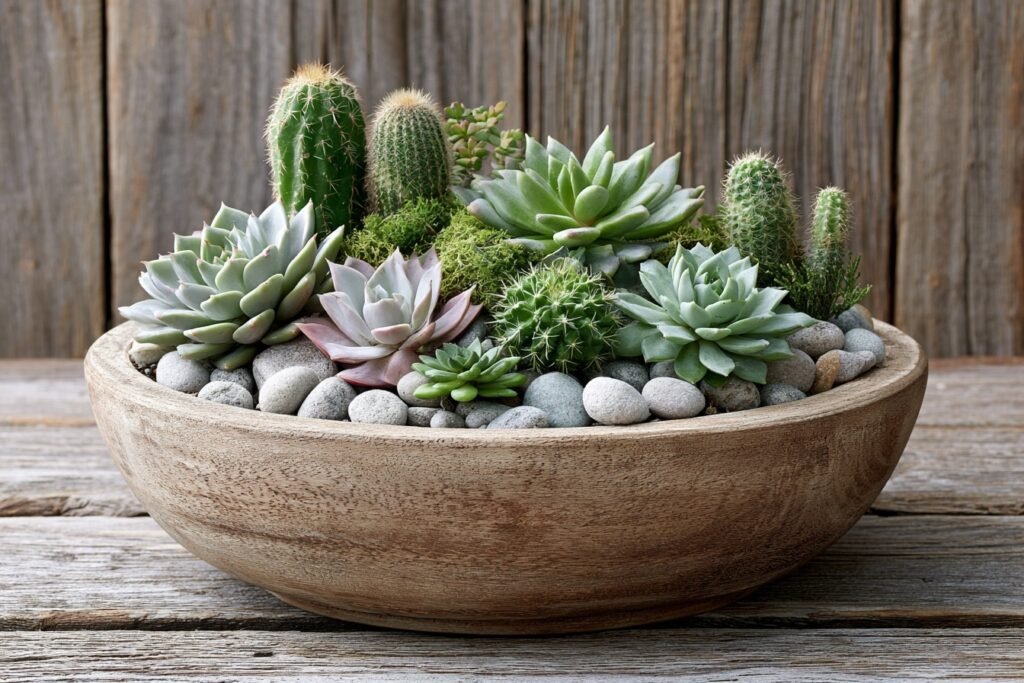
Overall, the integration of cacti and succulents in Feng Shui practices serves not only to beautify a space but also to instill a sense of resilience and positive energy. By welcoming these hardy plants into our lives, we foster an atmosphere conducive to growth, prosperity, and tranquility.
Best Practices for Arranging Cacti and Succulents in Your Home
Integrating cacti and succulents into your living spaces can significantly enhance the flow of positive energy, according to Feng Shui principles. The placement and arrangement of these plants hold considerable importance in maximizing the benefits they provide. To start with, it is essential to choose the right location for your cacti and succulents, as different areas in your home will yield varying energy effects.
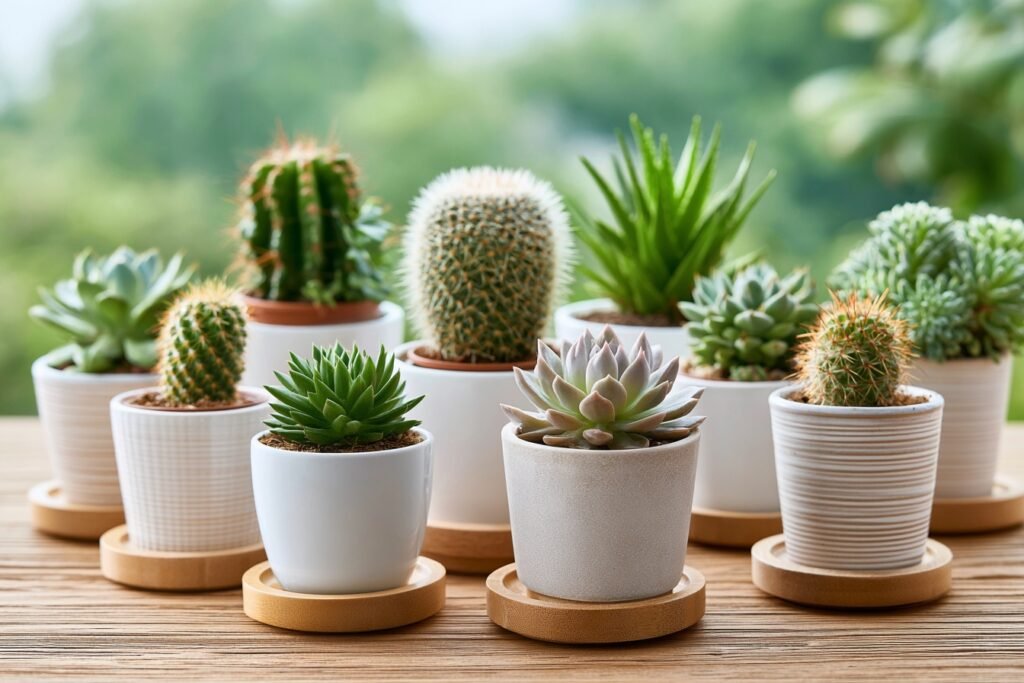
In Feng Shui, the east and southeast areas of your home are known to be ideal for planting or displaying these botanical additions. This is because these directions are associated with health and prosperity, respectively. By placing your succulents and cacti in these locations, you invite not just vibrant energy but also trigger a sense of abundance and wellness in your environment.
Beyond location, the shape and color of these plants also play a vital role in enhancing energy. For instance, plants with round shapes symbolize harmony and stability, which can be particularly beneficial in areas where you seek balance, such as the living room. Alternatively, tall and upright cacti are excellent for stimulating growth and can be positioned in spaces where you wish to encourage new opportunities, such as home offices.
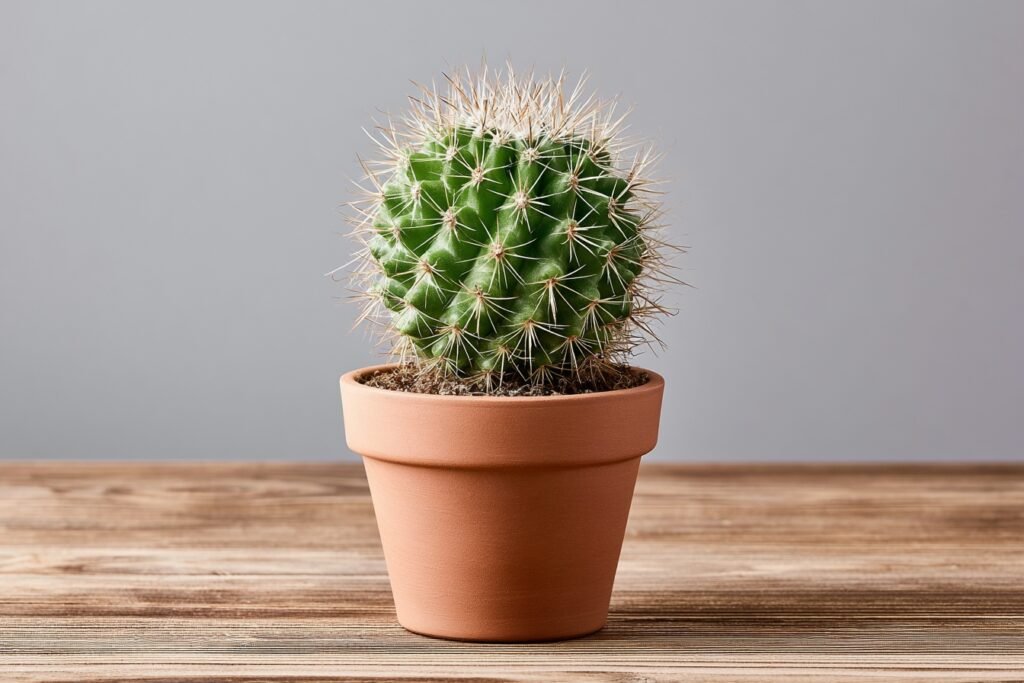
Moreover, the selection of appropriate pots and growing mediums is paramount. Choose earthen or ceramic pots to promote good energy flow; avoid using metallic containers as they may disrupt energy. Organic potting mixes that offer good drainage are also favorable, ensuring your plants remain healthy while contributing positively to your surroundings.
In conclusion, understanding the principles of Feng Shui when arranging cacti and succulents can lead to a more harmonious and energetically balanced living space. By choosing suitable locations, considering shapes and colors, and using the right container, one can harness the positive energy these plants are said to provide.
Incorporating Cactus and Succulents into Your Feng Shui Practice
Integrating cacti and succulents into your Feng Shui practice can greatly enhance the energy of your space. These resilient plants not only offer aesthetic appeal but also symbolize vitality and endurance. To effectively incorporate them, consider creating a dedicated plant corner, often referred to as the “green zone.” This space serves as a focal point for positive energy and can be tailored to your specific intentions and needs.
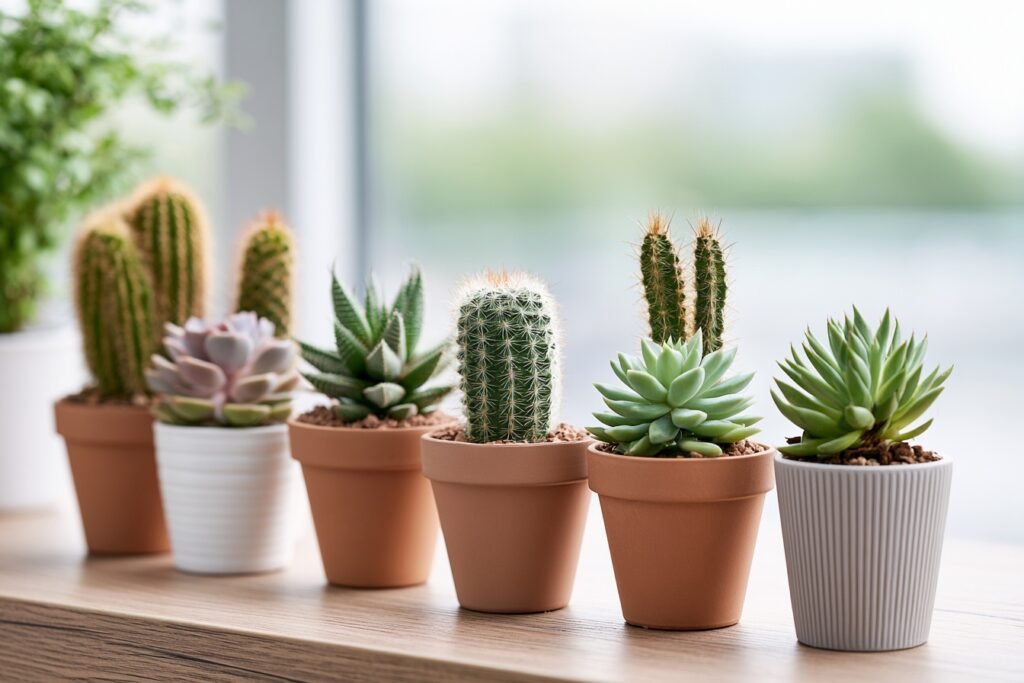
When selecting the placement of your cactus and succulents within your home or office, it is essential to keep in mind the principles of Feng Shui. For instance, placing these plants in the eastern or southeastern sectors of your space can attract prosperity and good luck. Moreover, personalizing their placement according to your goals is vital. If you desire to cultivate a more harmonious environment at work, consider positioning plants on your desk or windowsill to invite creativity and growth.
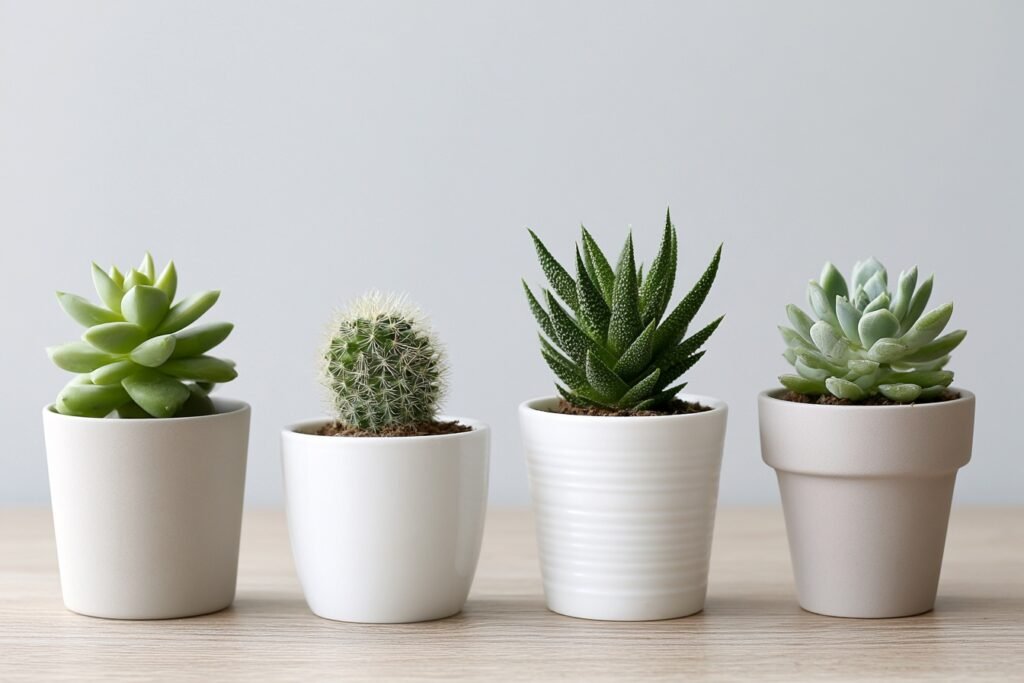
Incorporating cacti and succulents into specific rituals can enrich your Feng Shui practice. For example, you could create a small ceremony where you express your intentions while arranging these plants in your designated green zone. This act of mindfulness reinforces your dedication to fostering a positive atmosphere. Maintaining the health of your cacti and succulents is equally important; ensure they receive adequate sunlight, water, and care. Healthy plants will not only survive but thrive, contributing to the overall energetic balance of your space.
In conclusion, cacti and succulents can be powerful allies in enhancing the positive energy within your living spaces when thoughtfully integrated into your Feng Shui practice. Their presence and care can transform not just the physical environment but also the ambiance and emotional wellbeing of those inhabiting the space.